Home / Work / Digital Product + Experience Design / Nike
Nike
The Future of the Run: Cognitive Commerce & Personal Shopper Concept
OVERVIEW:
Scaling the Human Touch
Bridging Bill Bowerman’s "athlete-first" coaching philosophy with the power of IBM Watsonx.
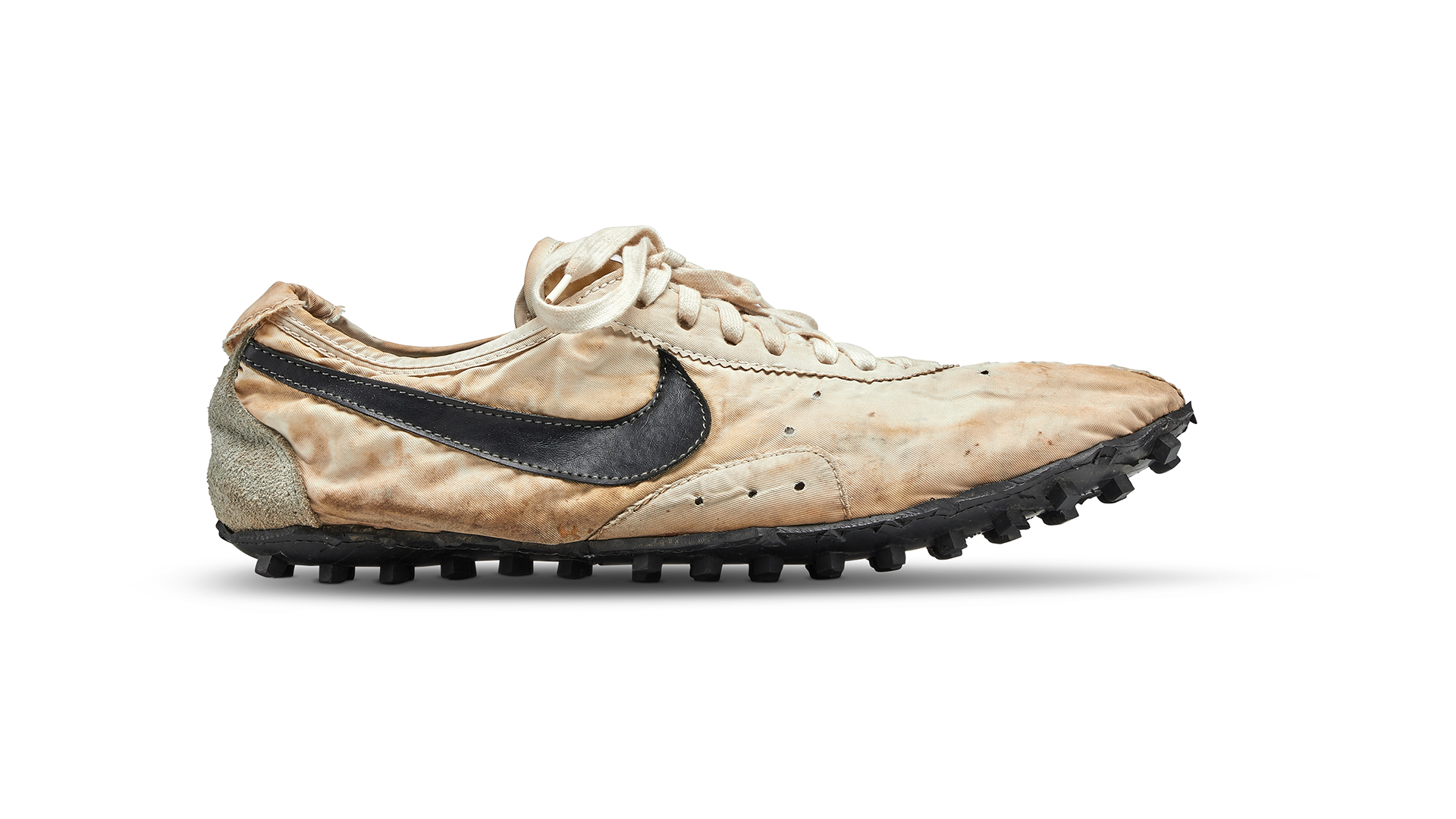
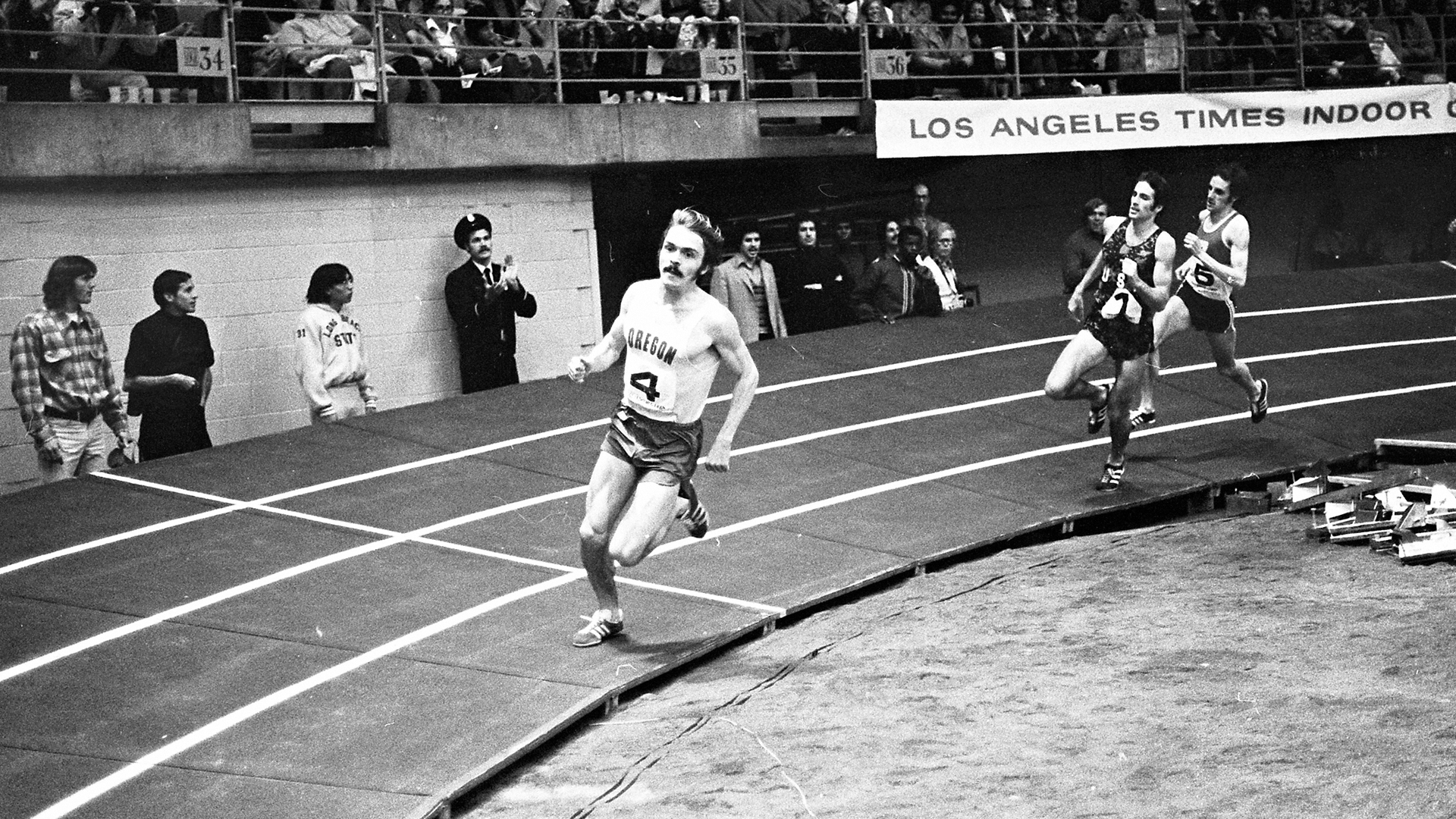
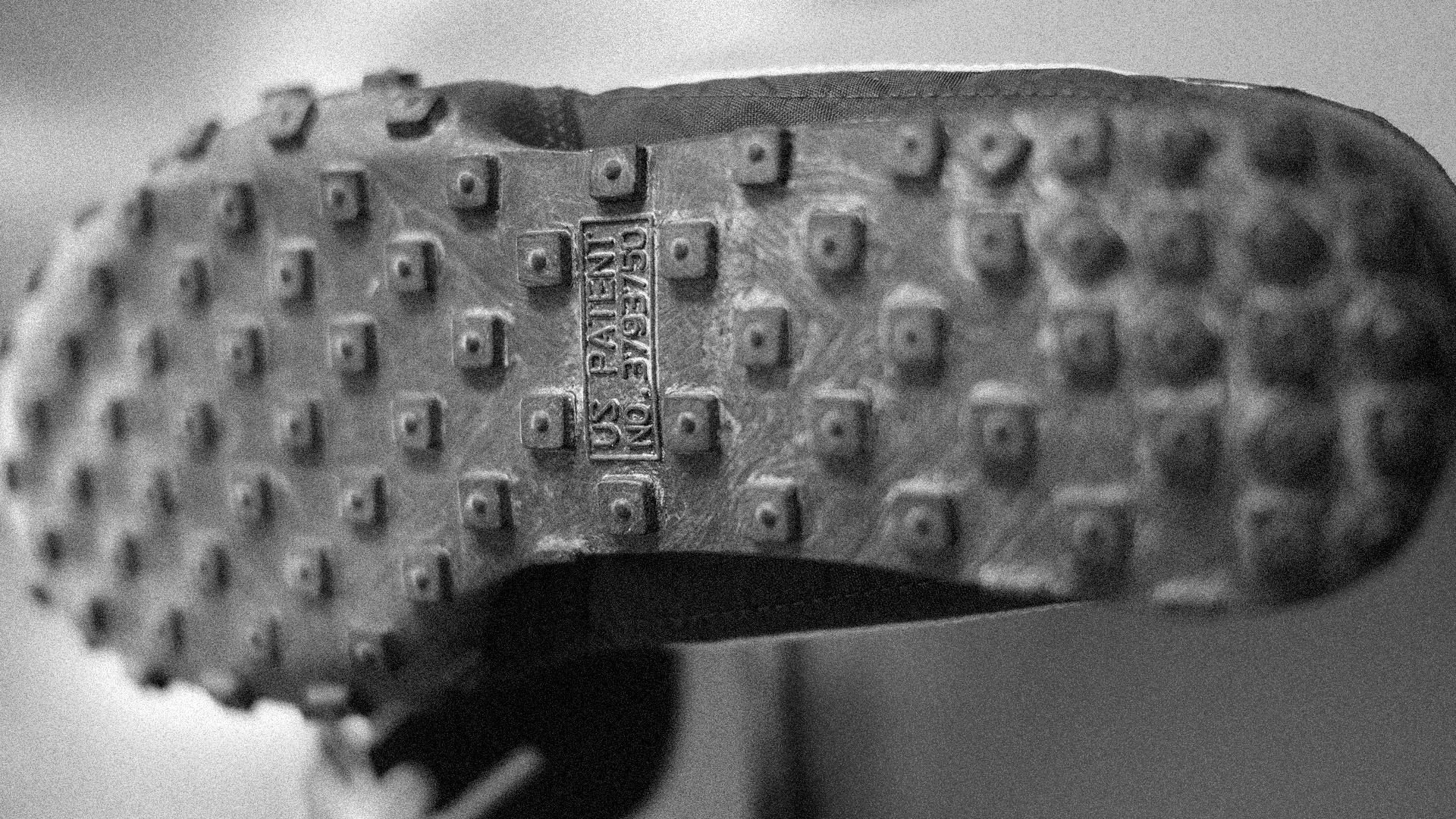
Nike’s legacy of innovation began not in a lab, but in a kitchen. In the early 1970s, University of Oregon coach Bill Bowerman famously used his wife’s waffle iron to prototype a new kind of outsole for his runners, including the legendary Steve Prefontaine. This "Waffle Technique" was a solution born of grit and a deep understanding of the athlete’s needs.
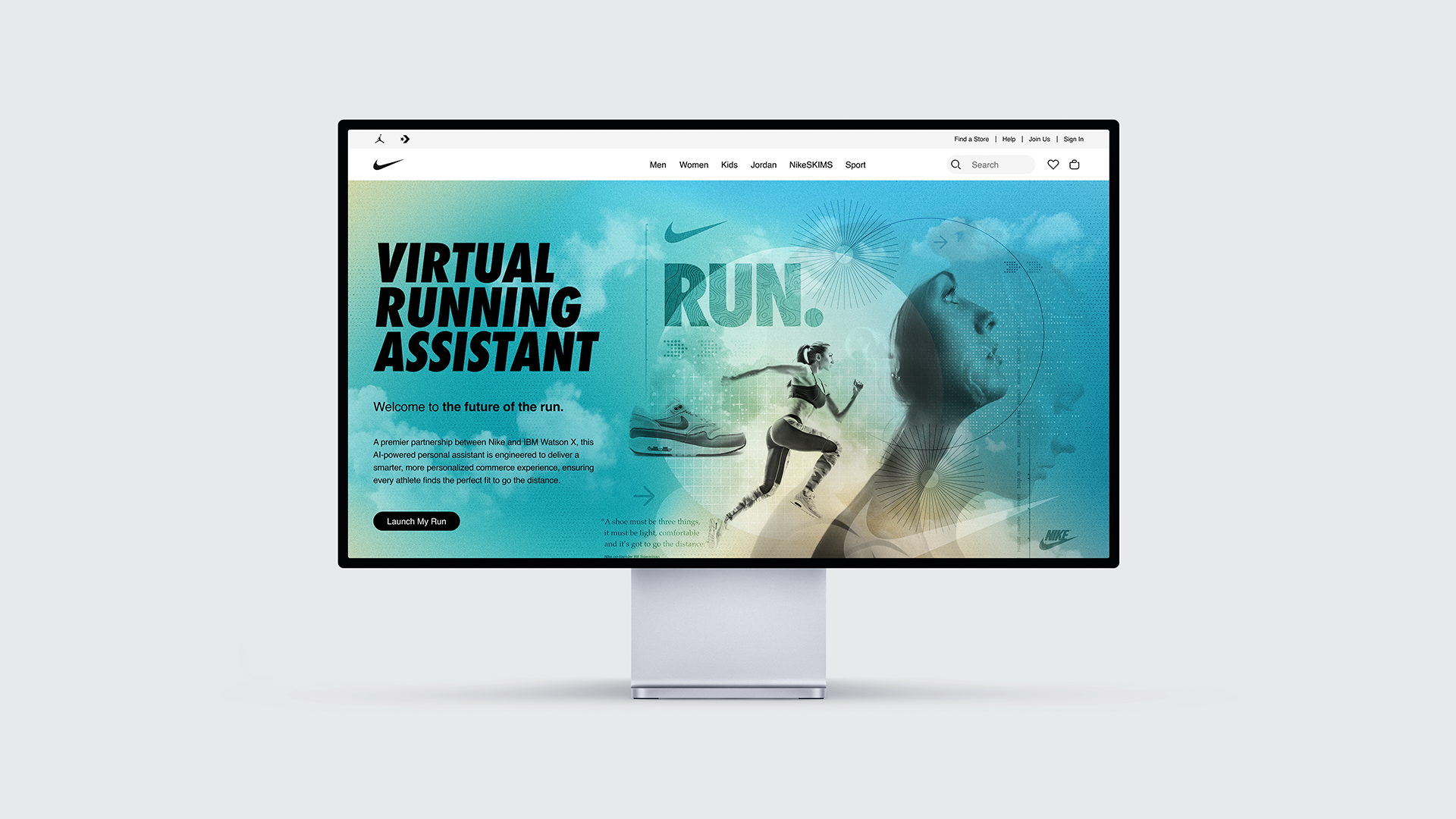
This project honors that heritage of bespoke athletic support by evolving it into the digital age. By partnering with IBM iX, we proposed a shift from physical coaching to digital intelligence, using Watsonx to create a personal shopping assistant that scales Bowerman’s "athlete-first" philosophy to millions of global users.

HISTORY:
The Surface Problem
Lessons in traction—from the cinder tracks of Hayward Field to the digital surfaces of today.
In the early 70s, Hayward Field (Oregon) moved from a cinder track to an artificial surface. Traditional spikes didn't work. Bowerman’s "eureka" moment with the waffle iron was about creating a multi-surface solution—traction that worked on turf, track, and road.
Just as Bowerman solved the "surface problem" in 1971, the AI solution solves the "data surface problem" of 2026. The modern consumer is running on a complex digital surface (comprised of web, mobile, social) and needs a new kind of grip (an AI guidance) to navigate it.
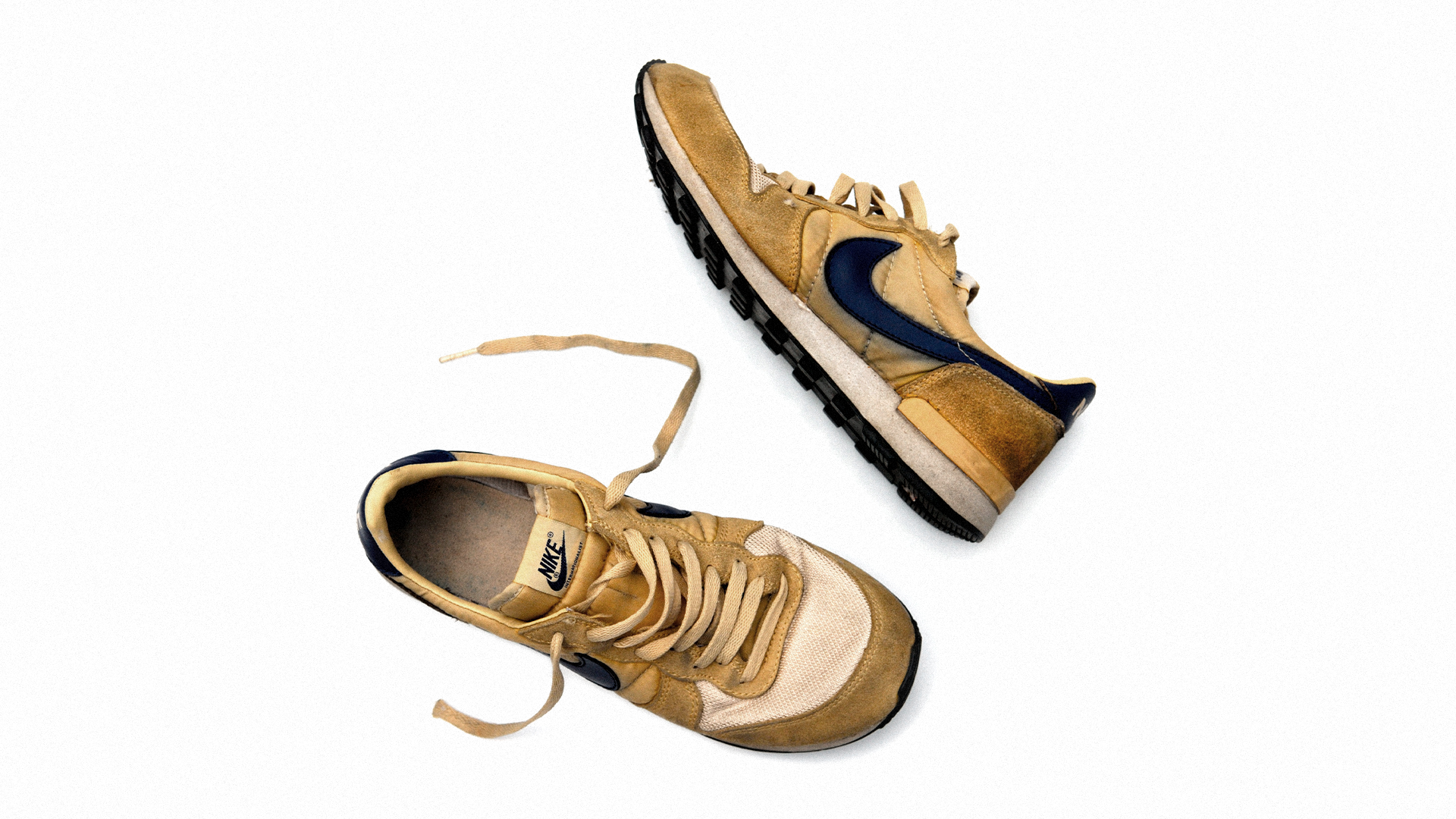
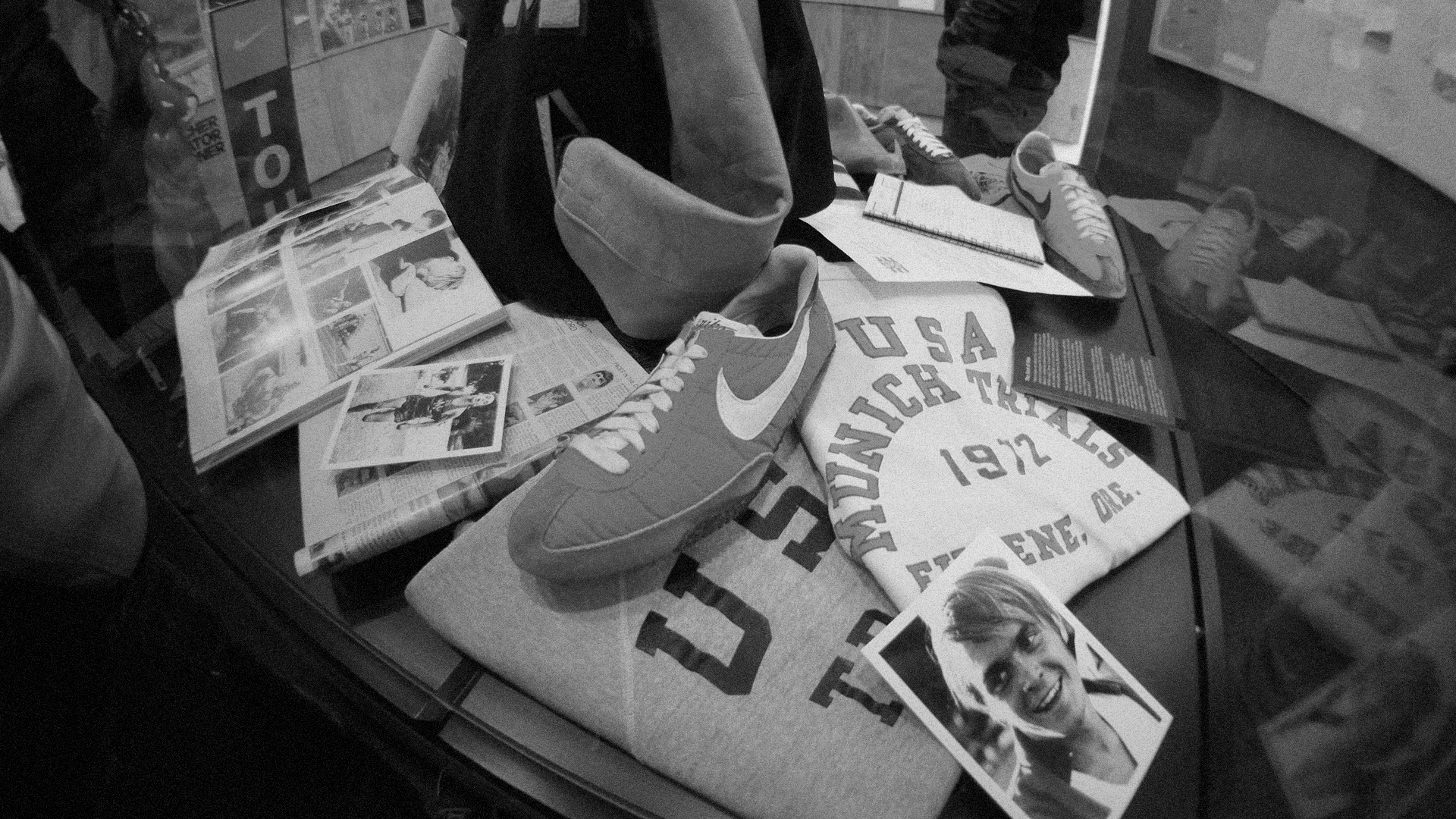
Steve Prefontaine wasn't just a spokesperson; he was Nike's first high-stakes user tester. He famously wore Bowerman’s prototypes, giving raw feedback that shaped the final product.
Prefontaine had Bowerman in his ear and on his feet. The modern runner has the Watsonx Assistant in their pocket.
We looked at the historic 1:1 relationship between coach and athlete as the north star for our AI logic. If Bill Bowerman were an algorithm, how would he recommend a shoe based on gait, terrain, and heart?
ROLES:
Lead Experience Designer & Cognitive Commerce Strategist
Orchestrating The Intersection Of Brand Heritage And Emerging AI Technology
TOOLS & RESOURCES:


INSIGHT:
Moving From Product Discovery To Personal Guidance
Bridging The Uncertainty Between A Digital Product Catalog And The "Perfect Fit"
Modern e-commerce is often a solo journey where users are overwhelmed by choice. While Nike offers elite gear for every type of runner, the gap between a "Product Detail Page" (PDP) and the "Perfect Fit" is often filled with uncertainty. We identified that users don't just want a catalog; they want a coach—someone who understands their gait, terrain, and goals.

Bill Bowerman literally wrote the book on jogging in 1966, helping to invent the idea of running for fitness (not just competition).
Nike helped make running accessible to the masses in the 70s. However, the more accessible it became, the more overwhelmed the average runner became with technical specs (such as over-pronation, heel drop, and carbon plates).


STRATEGY:
The Digital Coach
Scaling Human Intuition With A Data-Driven "Fact Family" Methodology
Our strategy was built on the premise that Nike’s greatest product isn’t a shoe—it's guidance. We aimed to move the user from a passive browser to an active participant in a high-performance feedback loop.
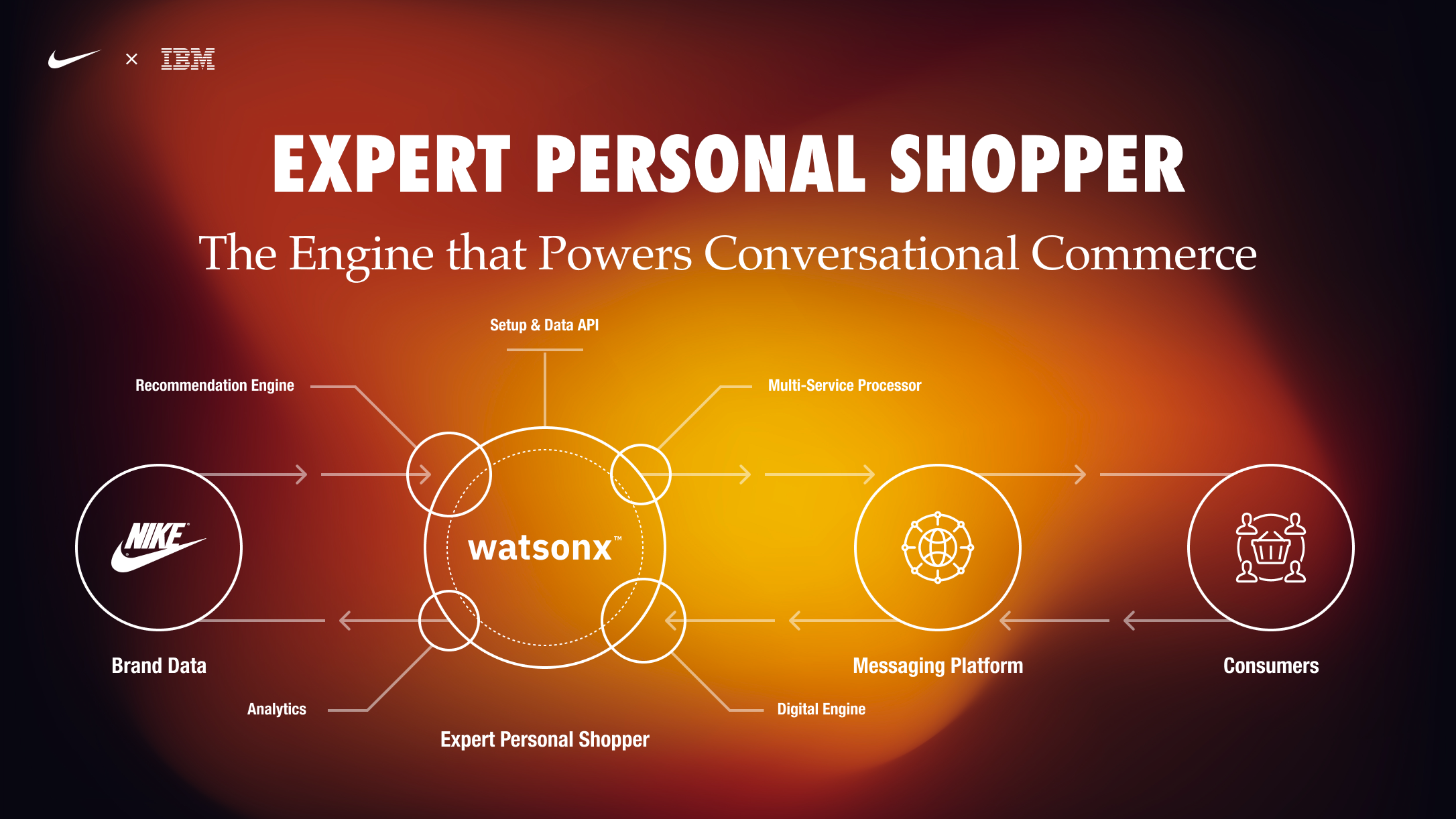
The "Waffle Iron" Philosophy: Just as Bill Bowerman looked at a household kitchen appliance and saw a performance solution, we looked at IBM’s low-code AI and saw a way to prototype human intuition. We treated the Watsonx platform as our "digital waffle iron"—a tool to mold raw product data into a bespoke coaching experience.
Translating "Coaching" into "Logic": We modeled the AI’s conversational flow after the historical relationship between Bowerman and Prefontaine. A coach doesn't just show you a wall of shoes; they ask about your gait, your mileage, and your terrain. Our strategy was to transform static Product Detail Pages (PDPs) into dynamic consultations.
Scaling Personalization via "Fact Families": Using the XPS Workflow, we mapped out "Fact Families"—the digital version of a shoe maker’s "Last." By weighting specific attributes like energy return, stability, and weather resistance, we ensured the AI didn't just find a shoe, but engineered a recommendation.
Strategic Integration Points:
Inspirational Entry (Home Page): Catching the "Jogger" at the top of the funnel to provide immediate category guidance.
Technical Deep-Dive (PDP): Acting as the "In-Store Expert" for the "Prefontaine" runner who needs to understand the nuance of a carbon-plate vs. a daily trainer.
The "No-Code" Advantage: A core strategic pillar was speed-to-market. By leveraging IBM’s low-code environment, we demonstrated that Nike could deploy these "Digital Coaches" across various global territories and browser types (Safari, Chrome, Edge) without reinventing the backend for every drop.

OBJECTIVE:
Enhancing The Athlete's Digital Journey
Implementing A Scalable Low-Code AI Solution To Drive Conversion And Confidence
To pitch a scalable MVP (Minimum Viable Product) that increases conversion rates and reduces returns by providing data-driven "Running Guidance." The goal was to prove that AI-driven commerce could feel as personal and premium as an in-store expert consultation.


PROCESS + WORKFLOW:
The XPS Strategic Lifecycle
A Disciplined Lifecycle From Brand Research To Low-Code AI Deployment
Following the XPS Workflow, the project was structured as a "Pre-sale" strategic engagement:
Research & Strategy: Analyzing brand values and customer perceptions to identify where data gaps existed in the current shopping flow.
Experience Strategy: Developing mindmaps to determine which product attributes (stability, cushion, weight) the AI should prioritize during a conversation.
Data Gathering & Training: Identifying "Fact Families"—the specific shoe specs and runner needs—that Watsonx would use to weight recommendations.
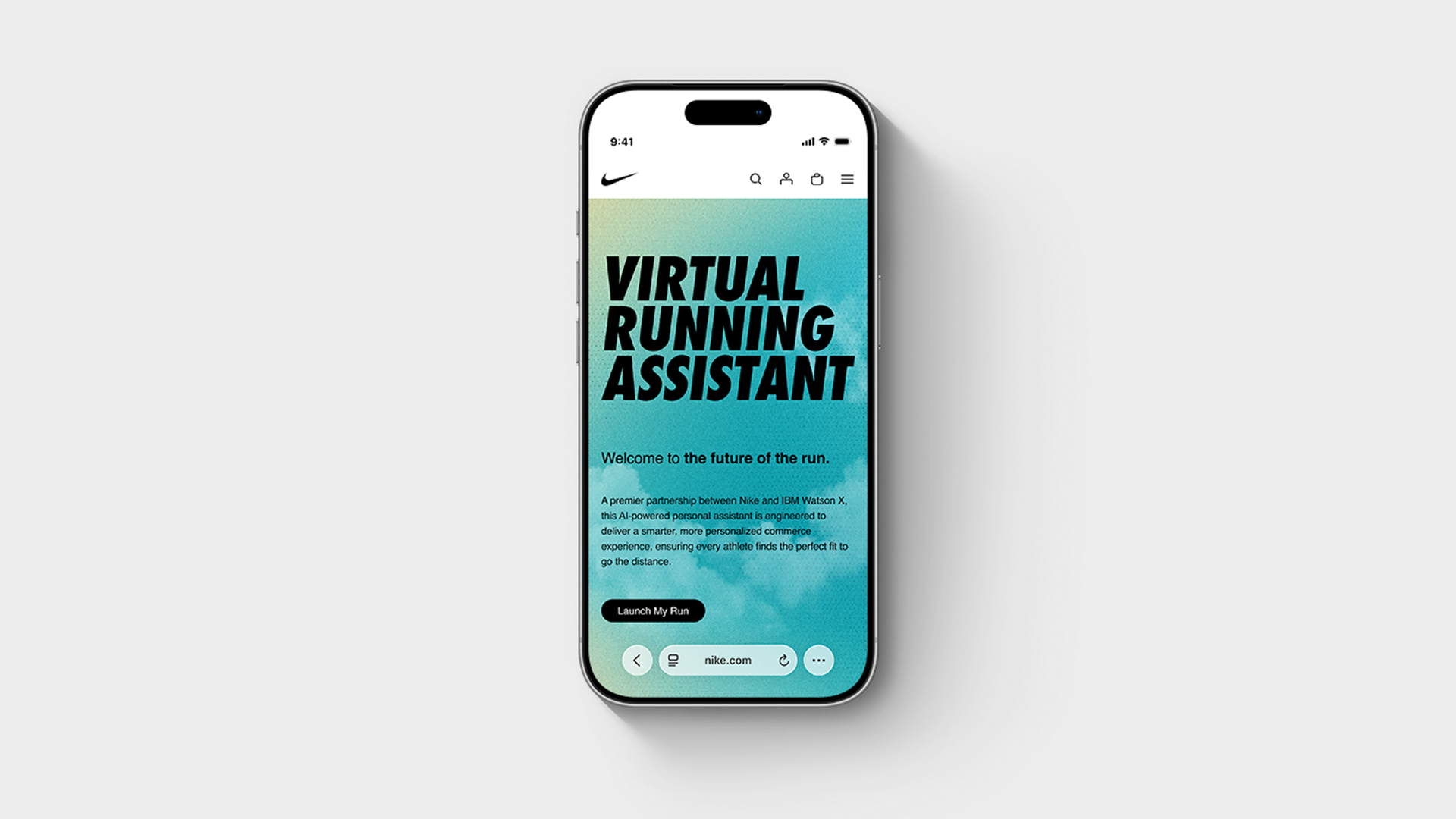
UI/UX Design: Prototyping a conversational interface that feels like a natural extension of the Nike brand, ensuring the "Virtual Assistant" looked and felt like a premier service..



RESULTS:
A Vision For Future Commerce
Defining The Blueprint For A Smarter, Cognitive-Driven Retail Ecosystem
As a Business Development concept, this project served as a high-fidelity vision for the Nike and IBM partnership.
Stakeholder Impact: Successfully demonstrated how AI agents can automate repetitive tasks while enhancing the "Personal Shopper" experience.
Technical Validation: Verified that a no-code AI platform could support a range of browsers and integrate with Nike’s existing product data.
Strategic Foundation: Though it remained at the concept/prototype level, it established the blueprint for Nike’s future cognitive Commerce roadmap.