Home / Work / Digital Product + Experience Design / Fluid
Fluid
Engineering the Passport LMS for Global Compliance
OVERVIEW:
Designing a Unified Training Ecosystem for CARF Conformance
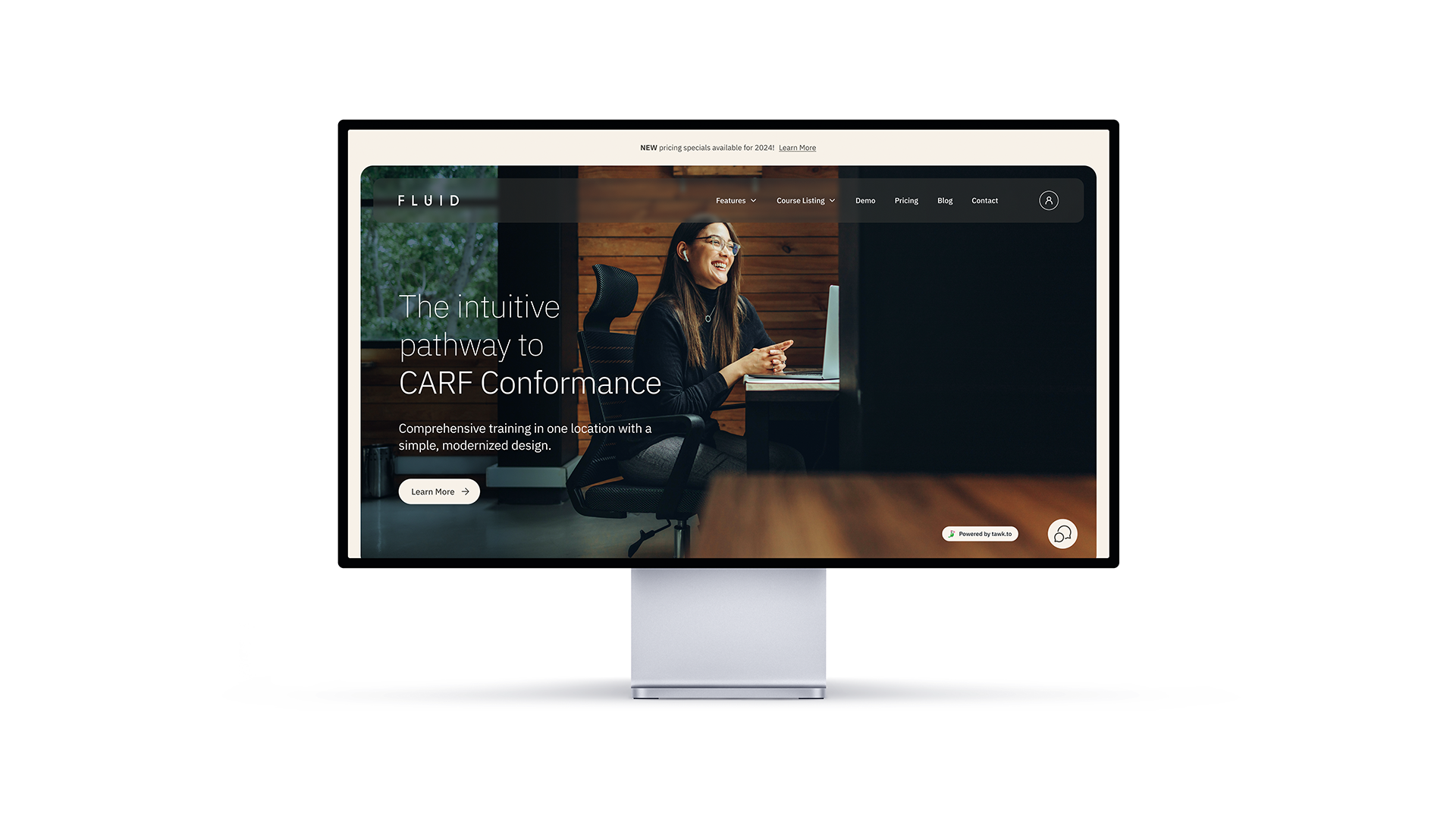
The ultimate compliance frontier. Fluid is a specialized SaaS provider focused on regulatory and accreditation training for healthcare and behavioral health organizations.
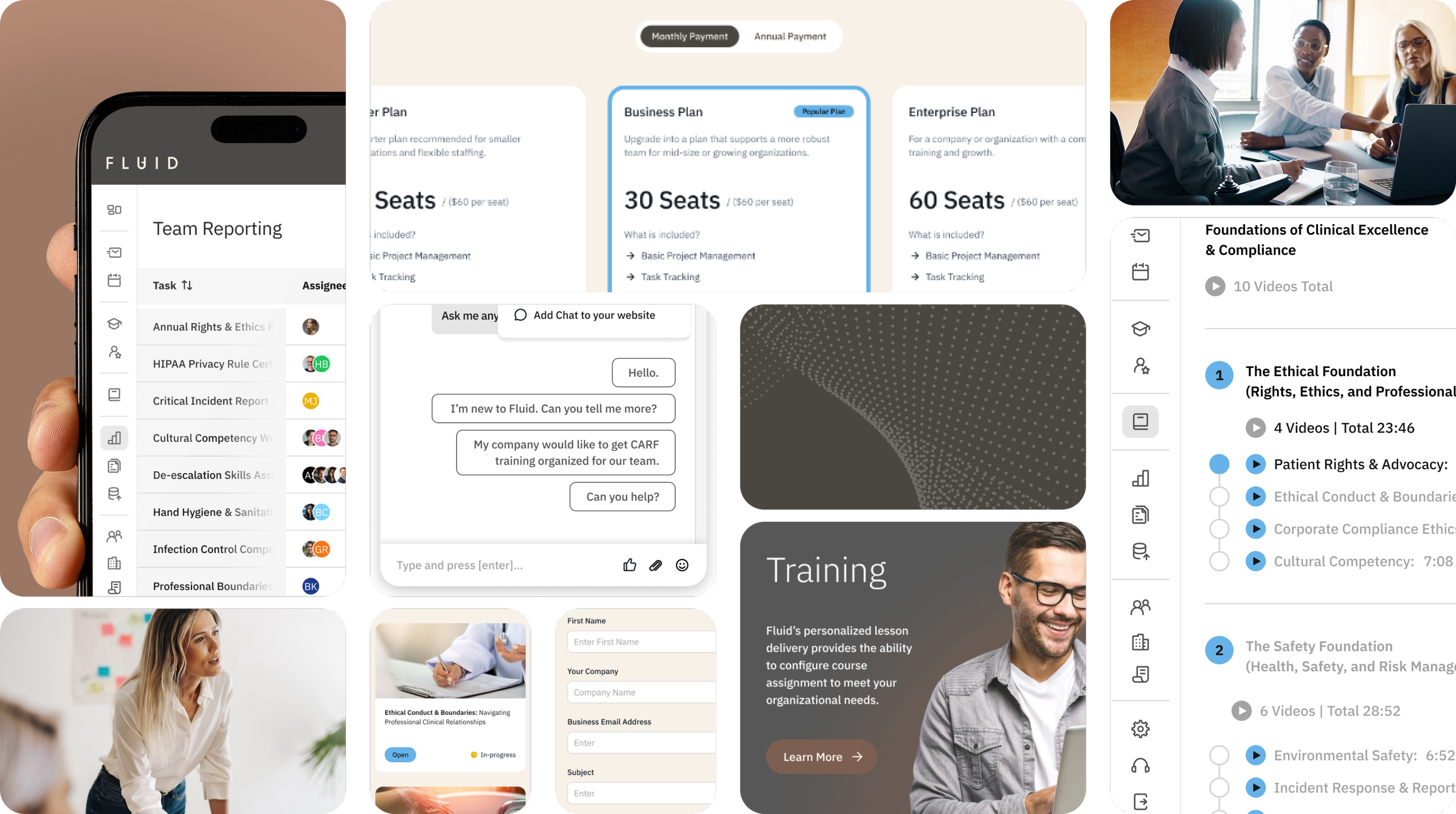
Their flagship product, Fluid, was conceived to solve a critical industry gap: the lack of a centralized, intuitive training mechanism for CARF (Commission on Accreditation of Rehabilitation Facilities) standards. The project required the creation of a ground-up responsive platform—an e-learning landing site, a complex dashboard, and a document management system—designed to guide organizations through the rigorous pathway of CARF conformance.

ROLES:
Lead Product Designer
Information Architecture (IA)
Design System Lead
SaaS Pricing & Subscription Strategy
TOOLS & RESOURCES:





INSIGHT:
The Accreditation Burden
Accreditation is often seen by healthcare staff as a "box-ticking" exercise that is tedious and fragmented. Organizations were managing CARF standards through disparate PDFs, manual tracking, and expensive in-person trainers.
The insight was to move from "Checking Boxes" to "Empowering Paths." By creating a Passport to compliance, we could gamify the training progression, making high-stakes regulatory data consumable, trackable, and—most importantly—mobile-accessible for staff in the field.




STRATEGY:
Efficiency Through Modularity
The design strategy focused on 3 pillars: Clarity, Conformance, and Continuity
The Dashboard as a Compass:
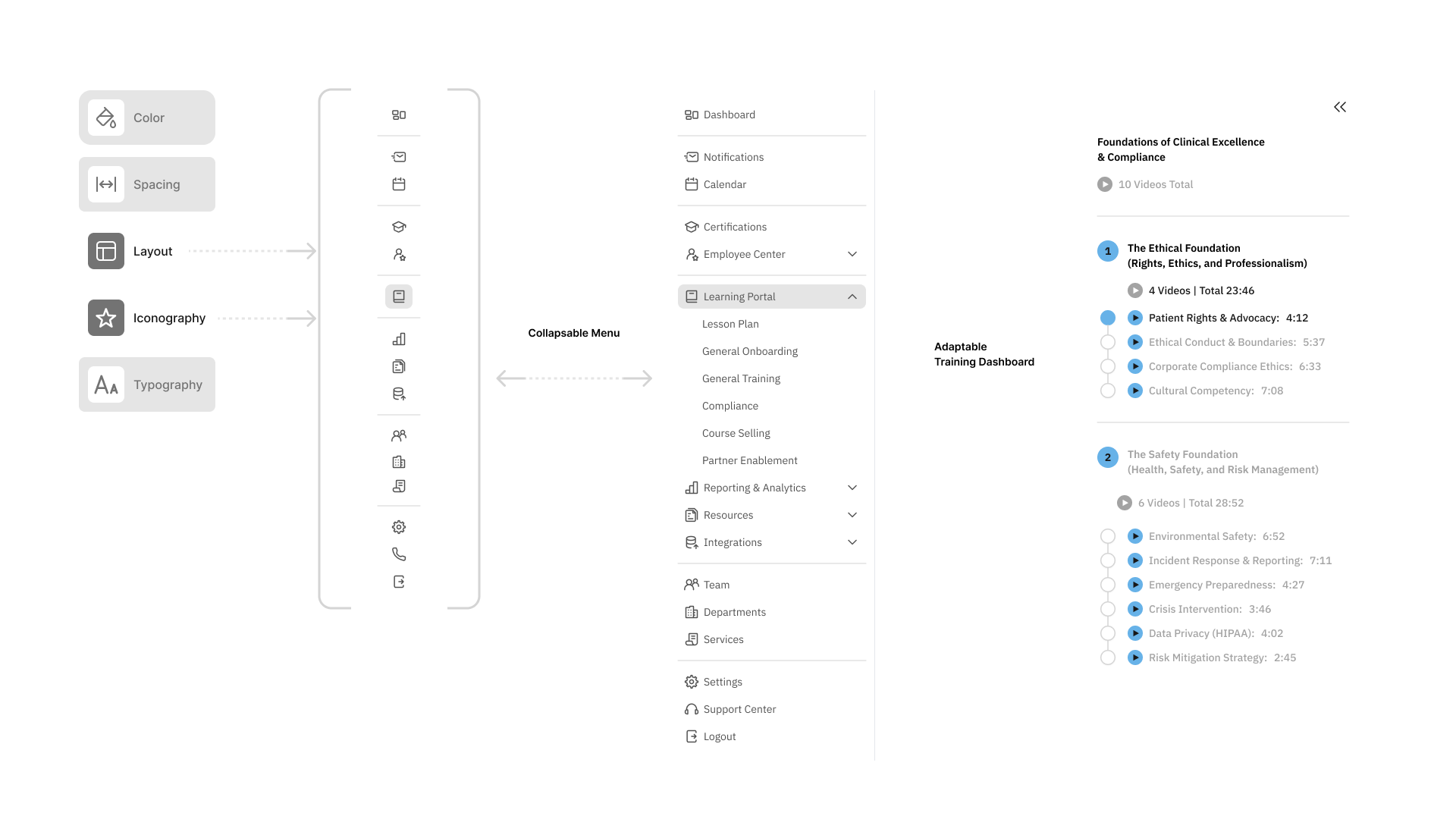
I designed a centralized "Critical Date Management" dashboard that prioritizes accreditation deadlines, ensuring management can see real-time conformance gaps at a glance.
Consumable Learning Paths:
We architected a curriculum library of over 100+ unique video and print lessons. The UI was designed for "micro-learning," allowing busy healthcare professionals to consume training anytime, anywhere.
Transparent Pricing Logic:
I developed a pay-per-user subscription model interface ($60/user) that eliminated "Setup Fee" friction, allowing organizations to scale their training costs directly with their headcount.
Design System (Fluid UI):
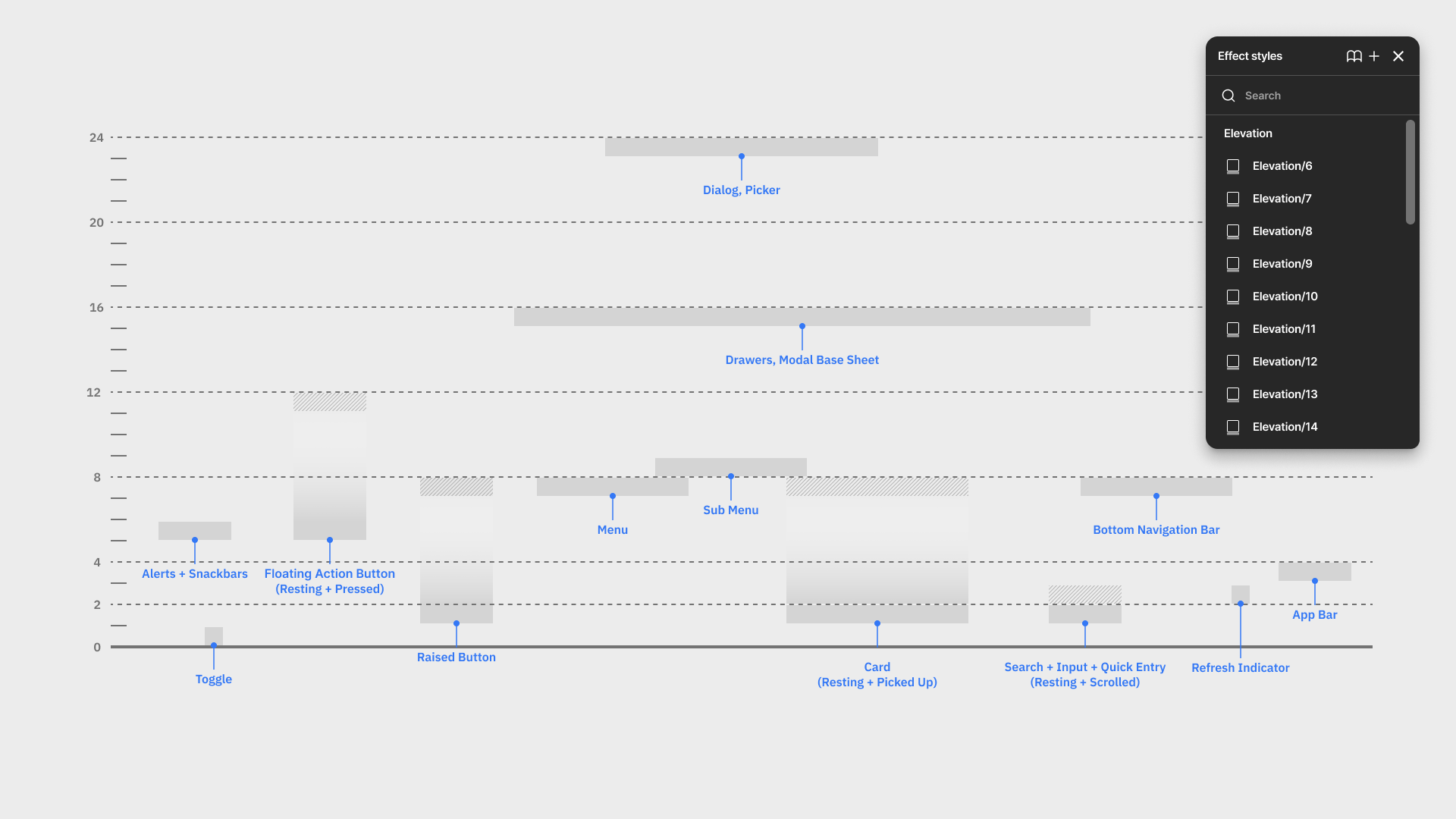
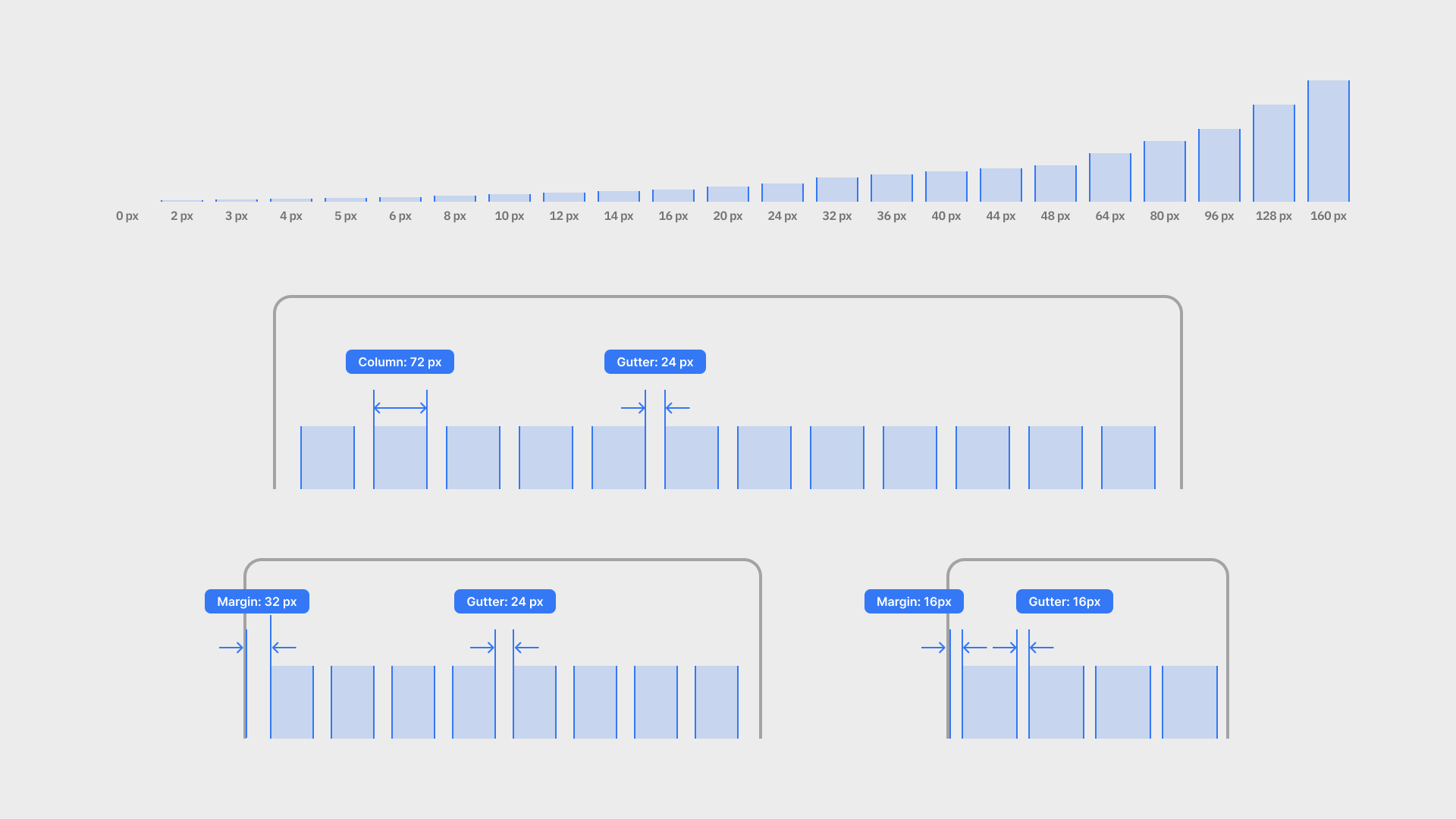
We built a lightweight but robust design system using clean typography and high-contrast status indicators to ensure that users—often under high-stress audit conditions—could navigate the LMS with zero cognitive friction.







OBJECTIVE:
Streamlining Professional Excellence
The goal was to replace manual training efforts with a secure, cloud-based "One-Stop-Shop" that onboarded employees quickly, minimized regulatory risk, and ensured 100% CARF alignment across every department..

PROCESS + WORKFLOW:
From Concept to Conformance
Discovery & Taxonomy:
We worked with veteran CARF surveyors to map out the Behavioral Health standards manual, translating 100+ training requirements into a digital site map.
Modular Wireframing:
We prioritized the "Training Management" and "Reporting" modules, ensuring that the file management system was intuitive enough for non-technical administrators to upload and track staff certifications.
Prototyping the Progression:
I developed a series of high-fidelity prototypes to test the "Certification Journey"—the flow from lesson consumption to quiz competency and final badge issuance.
Responsive Stress Testing:
Because training often happens on-site or during transit, we optimized the "Video Lesson" UI to ensure seamless playback and progress tracking on tablets and smartphones.



RESULTS:
Measurable Excellence
While the platform served a niche market, the initial rollout and adoption metrics demonstrated immediate impact:
Training Efficiency:
Organizations utilizing Passport reported a 45% reduction in onboarding time for new employees compared to traditional manual training methods.
Accreditation Success:
100% of the pilot organizations using Fluid for their CARF audit preparation achieved three-year accreditation status (the highest possible level).
Cost Reduction:
By shifting from in-person consultants to the Fluid SaaS model, mid-sized agencies (50+ users) saw an average 60% decrease in annual training expenditures.
System Scalability:
The "No Setup Fee" and pay-per-user model led to a 30% increase in user acquisition within the first six months of launch, as small-to-mid-sized behavioral health clinics adopted the tool.