WorldCat Discovery

OVERVIEW:
WorldCat Discovery is a powerful, cloud-based Web-Scale Discovery (WSD) service provided by OCLC (Online Computer Library Center). It serves as a modern, single search platform for a library's users, replacing the need to search multiple databases and catalogs individually.
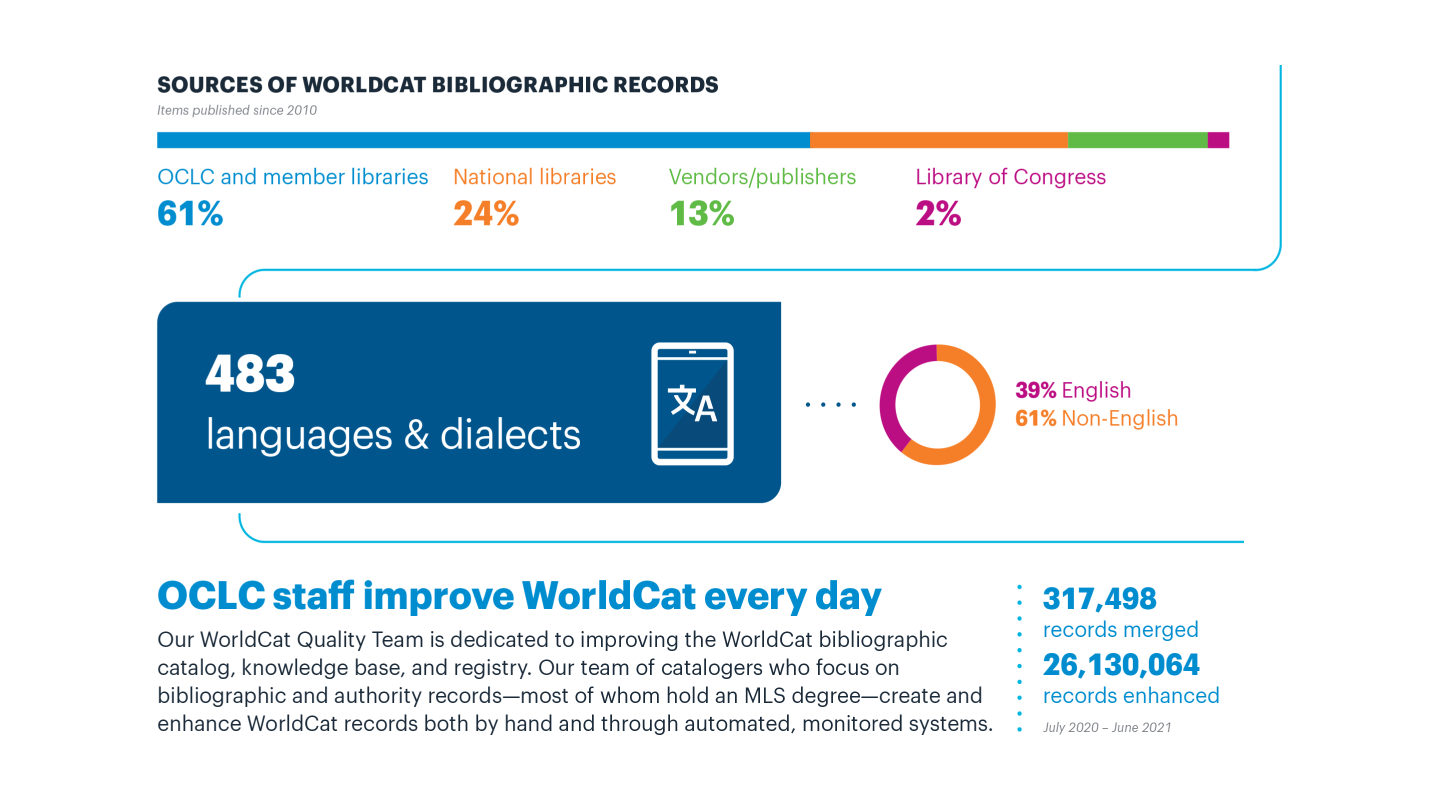
Since 1971, OCLC staff and librarians all over the world have contributed, enhanced, and maintained records within WorldCat. These records are shared among library catalogs and back‑office systems to save library staff significant time, helping library users find the resources they need.

ROLES:
XD
Visual Design
INTRODUCTION & BACKGROUND:
The primary function of WorldCat Discovery is to provide a unified, Google-like search experience that allows library patrons to simultaneously search the library's own physical collection of local holdings (books, media) and licensed electronic resources (e-journals, databases).
It also leverages the strength of The Global Network (WorldCat), which is the world's largest bibliographic database, containing records for materials held by thousands of OCLC member libraries worldwide (the union catalog).
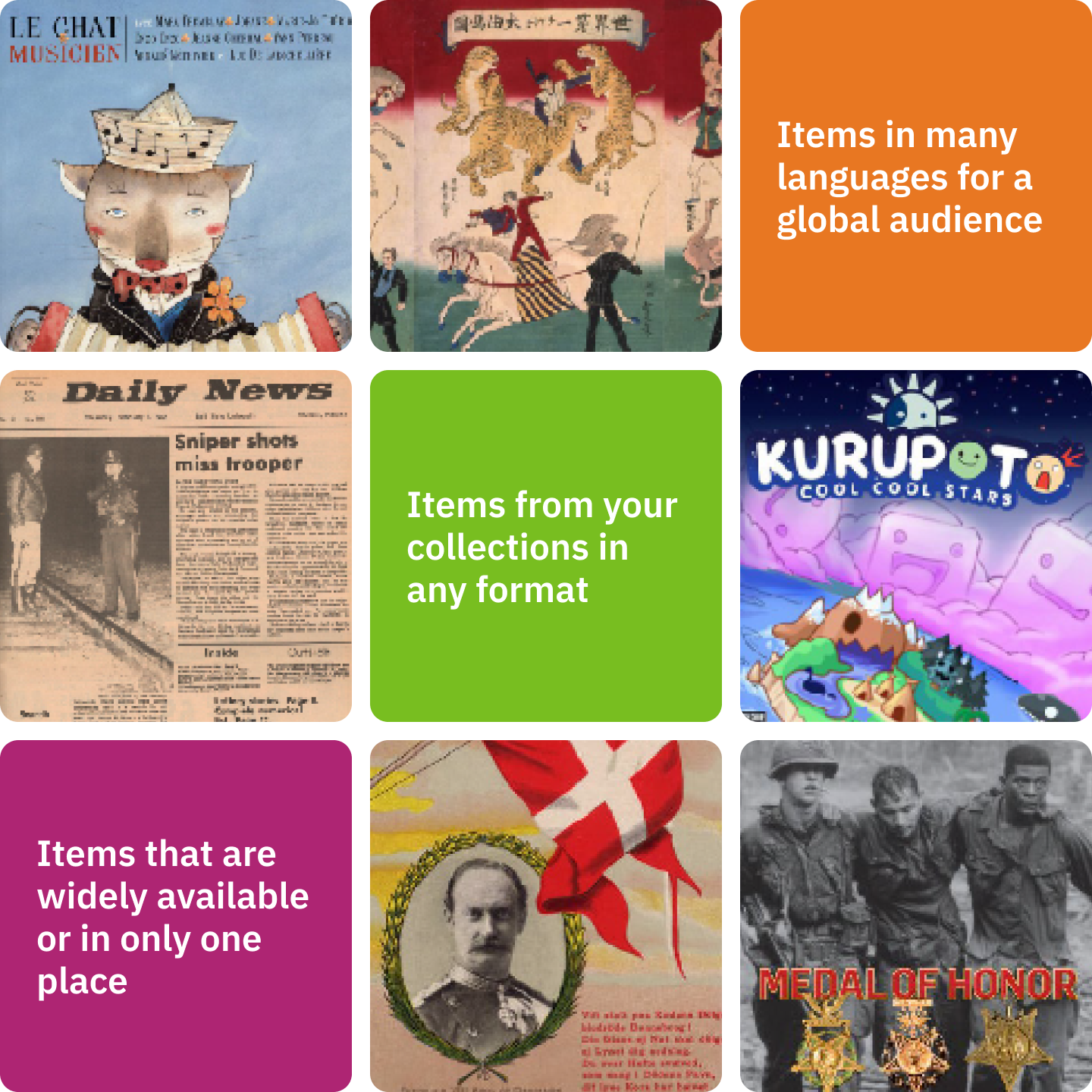
It includes both unique and widely held items from library collections around the world. From bestsellers to local history artifacts, from microfilm to streaming media, WorldCat puts your entire collection in front of researchers globally.
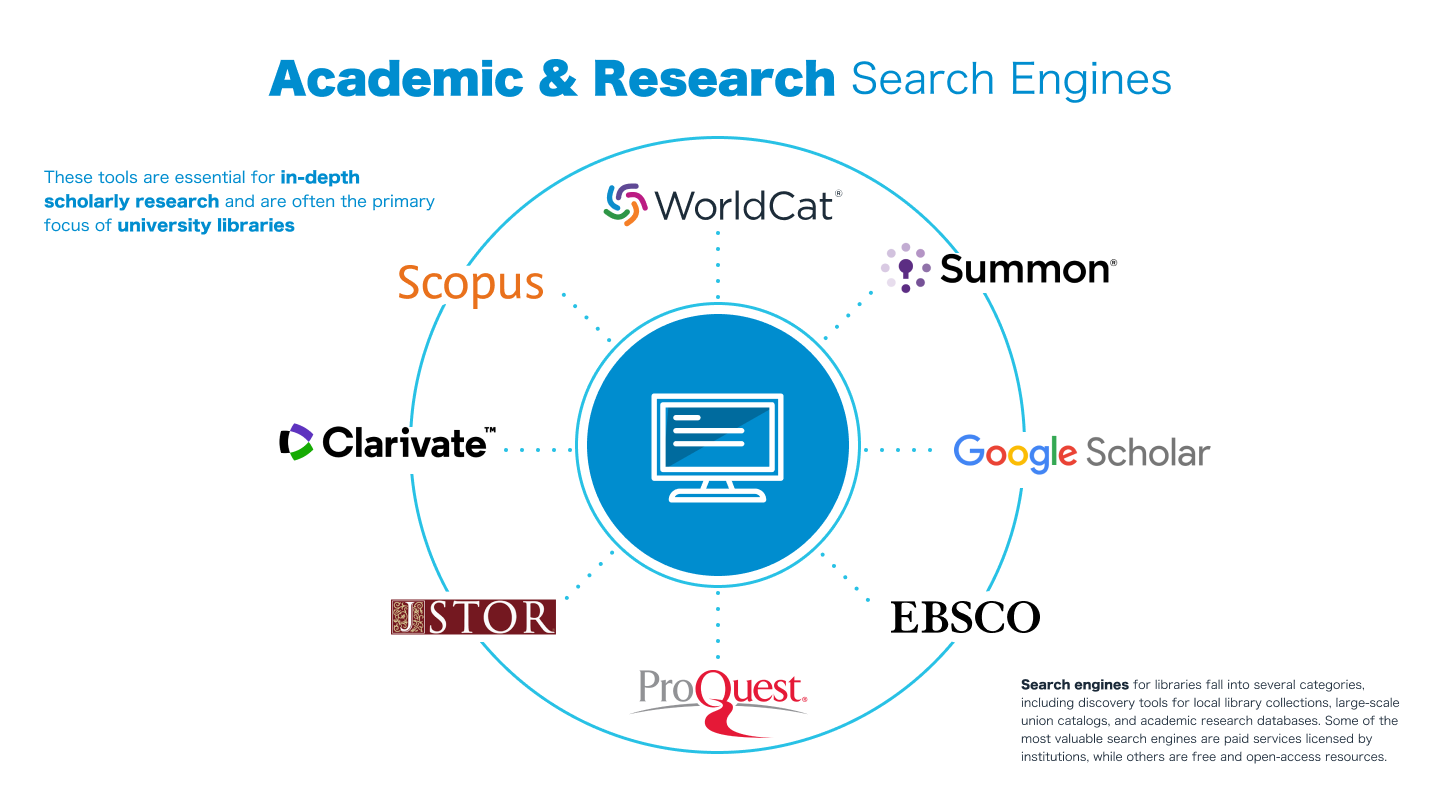
The library search engine landscape is primarily defined by a few major commercial and non-profit companies that provide discovery services to academic and public libraries.
Key vendors in the space include EBSCO (with its EBSCO Discovery Service, or EDS) and Clarivate (through its Ex Libris brands, offering Primo and Summon), with OCLC being a significant non-profit player.
These platforms create a single search index across a library's vast collection of print, electronic, and digital resources, offering relevance-ranked results to streamline research for patrons.
The market is constantly evolving, with increasing integration of new technologies like linked data and support for open-source systems such as FOLIO and Koha, aiming to improve the user experience and library operational efficiency.
BRAND OVERVIEW:
PURPOSE STATEMENT
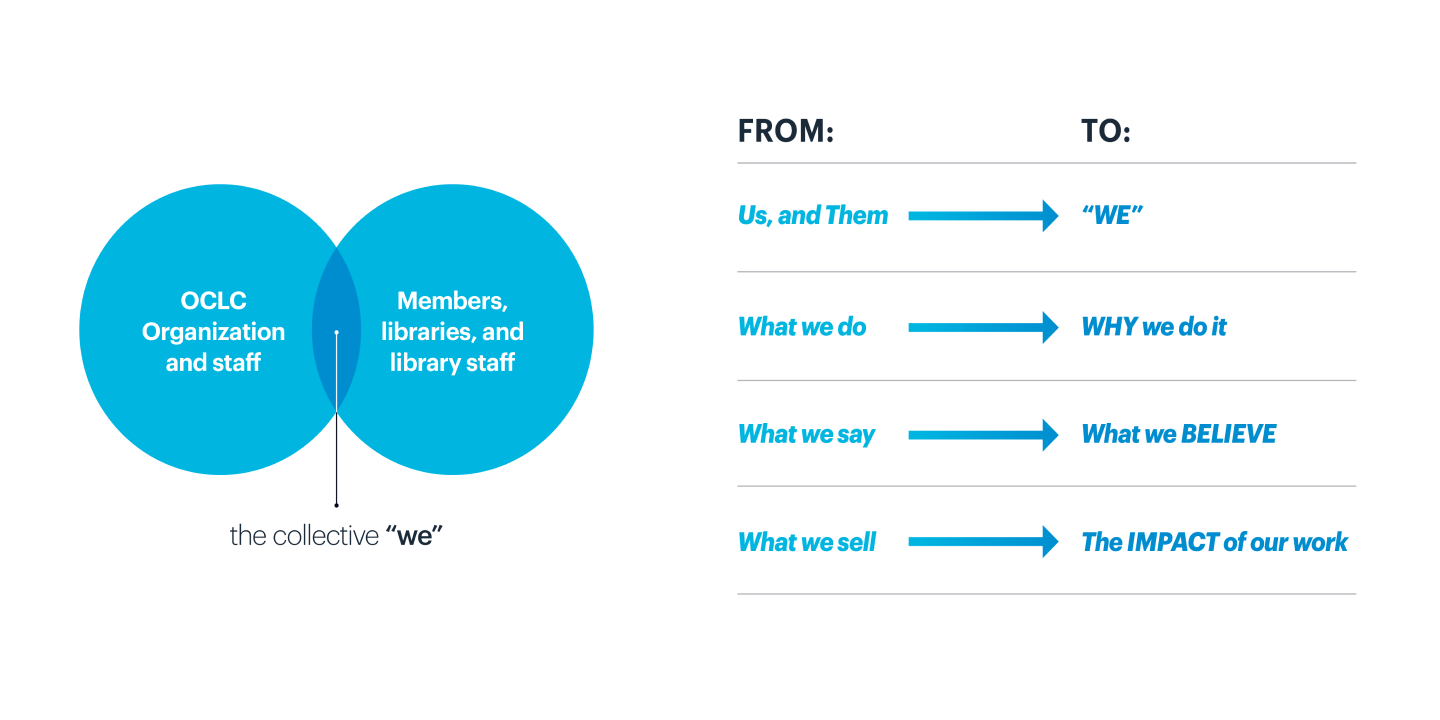
This statement distills everything that OCLC stands for. It articulates our role, establishes our point of view on the work that we do, and gives us a rallying cry to stand behind.
Knowledge makes every difference.
It’s the spark that ignites minds and defines us as human beings. Spoken aloud. Encoded in song. Recorded in pigment and stone. By page or screen or ones and zeroes. We will never stop finding ways to share it. Because this is why knowledge exists: to be shared. At OCLC, this is our charge.
Uniting the treasures of the world’s libraries and putting knowledge in reach of all. Fueling the learners and dreamers and doers. Driving discovery and innovation and breakthroughs.
By bridging divides and lowering barriers. OCLC is here in service of knowledge. As its steward, and its champion. This is why OCLC exists.
Because what is known must be shared.

INSIGHTS:
STRENGTHS & WEAKNESSES
Through customer feedback and technological evaluation of the state of the product, OCLC determined the WorldCat Discovery system needed to evolve rapidly to meet the uptick in modern user expectations and keep pace with rival discovery service/technology vendors.
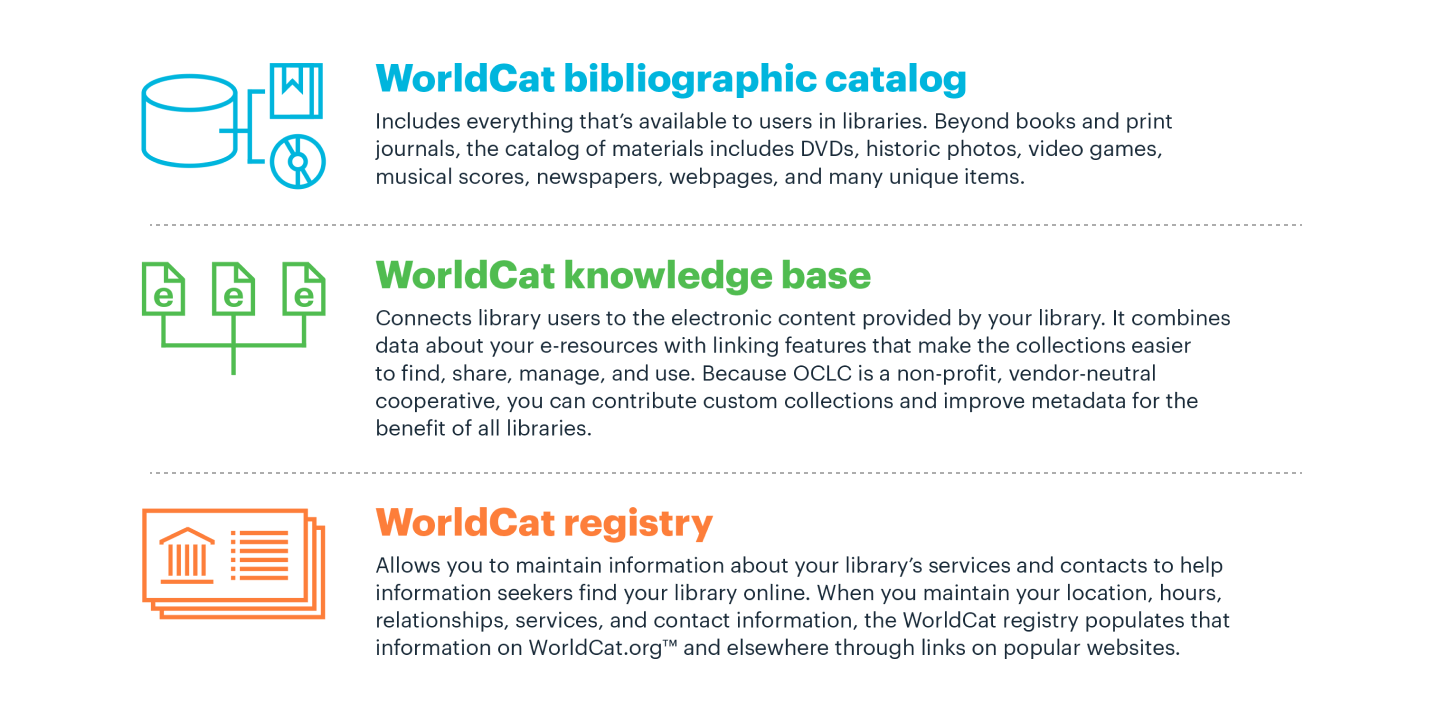
WCD's (OCLC) power is built upon the WorldCat union catalog, (making it superior for displaying global library holdings), facilitating Interlibrary Loan (ILL) listings, and enhancing resource sharing across the vast OCLC network.
However, its rivals are often recognized for providing a deeper, more comprehensive indexing of scholarly articles (and electronic resources), a more enriched user experience, and an aesthetically pleasing or modernized user interface. This makes them highly effective for search activities and or academic research focused on journal content.



CHALLENGE:
EVOLVING NATURE
The challenges with WorldCat Discovery (WCD) leading up to the redesign were primarily rooted in its technology limitations, user experience, and market competitiveness.
Essentially, the entire system needed to go through an rapid evolution to meet modern user expectations and help keep pace with rival discovery services.
MARKET COMPETITIVENESS
Discovery Index Depth:
While WorldCat is unparalleled as a union catalog (listing what libraries hold), competitors like EBSCO Discovery Service (EDS) and Ex Libris's Central Discovery Index (CDI) often offered deeper, more granular indexing of article-level metadata from a vast number of publishers. This meant WCD sometimes lagged in finding specific, niche scholarly articles.
Lack of Customization:
Libraries sought greater ability to customize the discovery layer to match their local branding, specific user needs, and preferred workflows. Prior versions of WCD often offered limited flexibility compared to its rivals.
DATED TECHNOLOGY & ARCHITECTURE
Legacy Infrastructure:
WCD, particularly its earlier versions, was built on older technology architecture. This made it difficult and slow to introduce new features, integrate third-party services, and achieve the rapid development cycles expected in the modern web environment.
Maintenance Difficulty:
The legacy codebase led to higher maintenance costs and increased potential for technical debt, hindering the agility needed to respond to library and user feedback quickly.
UX & UI ISSUES
Non-Responsive Design:
Earlier versions often lacked a fully responsive interface, providing a poor and inconsistent experience when accessed via mobile phones and tablets, which had become the dominant way many students and researchers accessed information.
Cluttered Interface:
The interface was often criticized for being cluttered, making it difficult for users to quickly discern the most relevant results or easily utilize filtering tools (facets).
Poor Fulfillment Experience:
Linking users from the search result to the actual full-text (known as the "last mile") or initiating a hold request was often cumbersome or unreliable, frustrating users.

GOALS:
The overarching mandatory was balancing technical advances with extensive user input and testing to create a discovery service that better meets the changing needs and expectations of library patrons.
The primary objectives for the modernized WorldCat Discovery interface included:
ENHANCING THE UX/UI:
A parallel project initiated at the same time as the WorldCat Discovery redesign, was a modernized design system (code named GROWTH). This design system would be part of the UX/UI enhancement goals and to be leveraged across the entire suite of OCLC products.
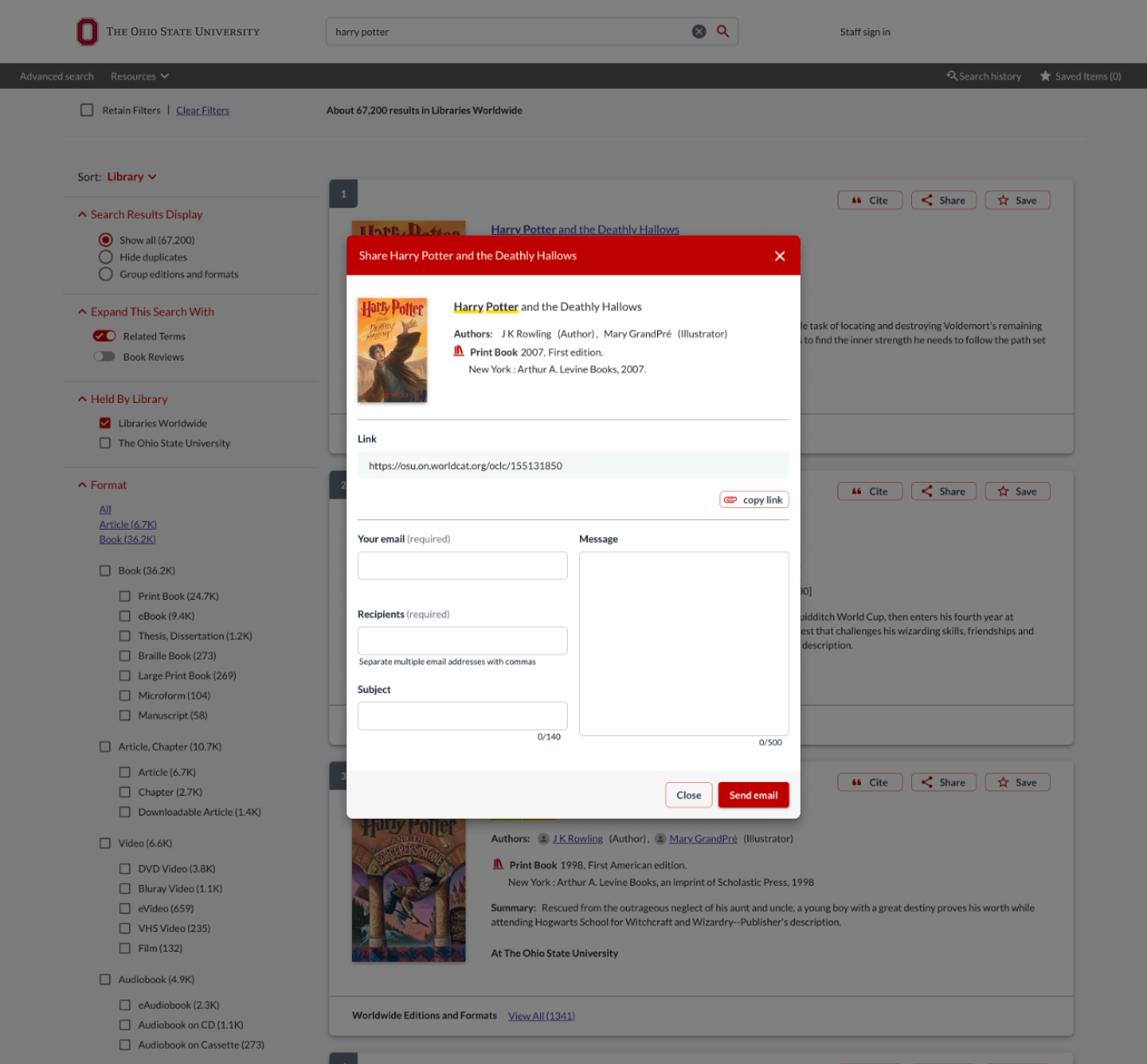
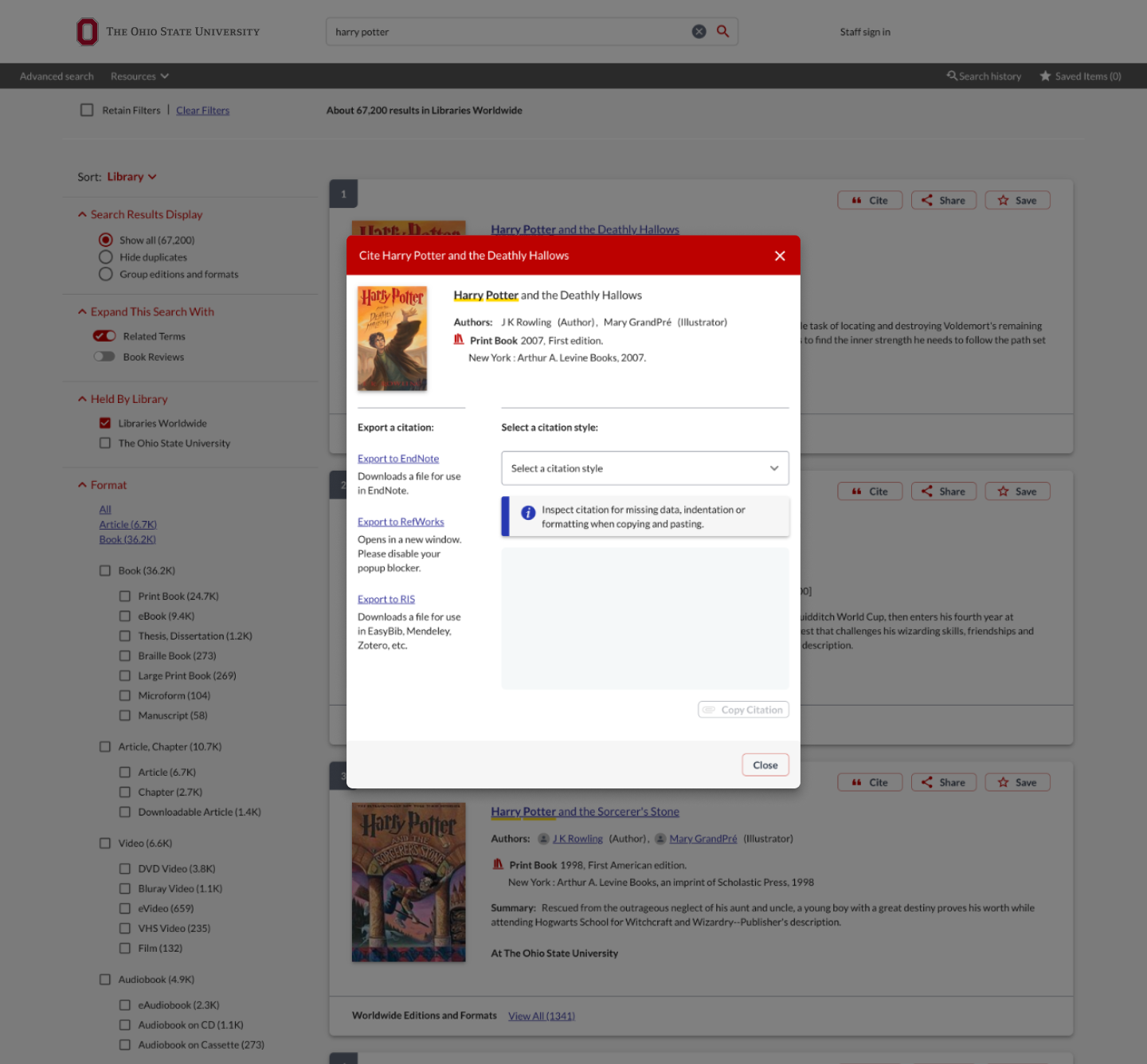
With a central goal to provide an intuitive search experience similar to what users expect from popular, everyday websites. This involved a simplified and cleaner interface (leaning on the GROWTH design system) to help users easily find and access resources efficiently.
IMPROVING ACCESSIBILITY & RESPONSIVENESS:
The redesign aimed for a modern, responsive design that adjusts automatically to different screen sizes, making it easier to use on phones and tablets, and to comply with current web accessibility guidelines (like improved navigation, tabbing, and screen reader compatibility).
The revamped WorldCat product would also be “off -the-shelf” for all customers, with very little customization and implementation required for library and staff.
STREAMLINING SEARCH RESULTS:
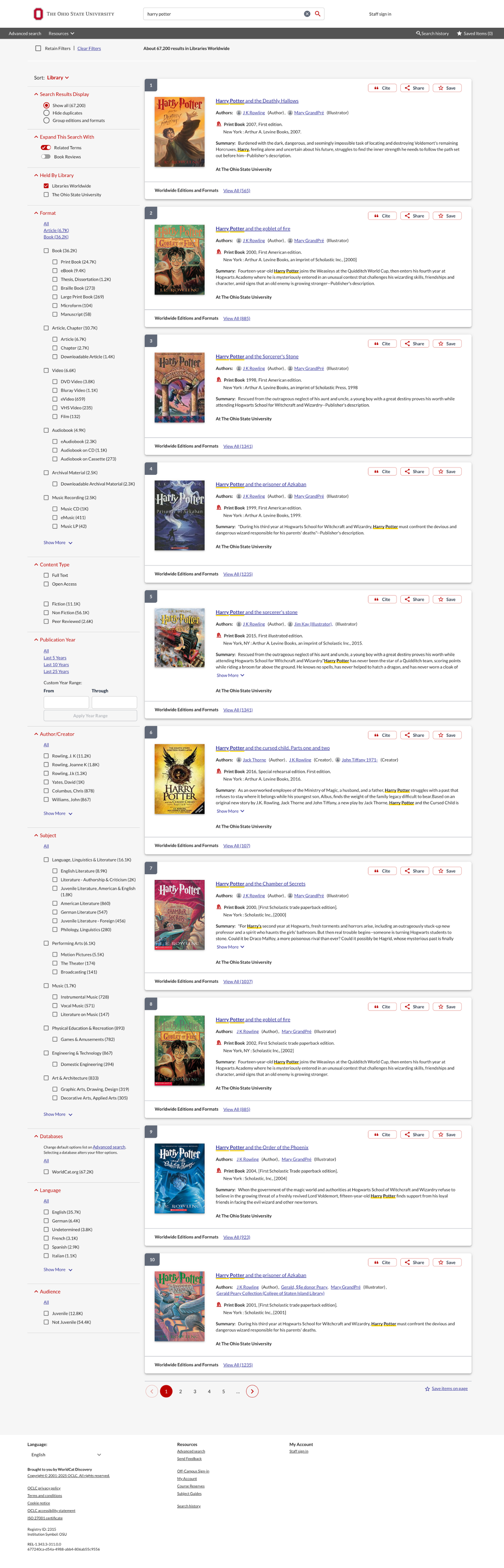
Efforts were made to improve the relevance and usability of the search results page. This included:
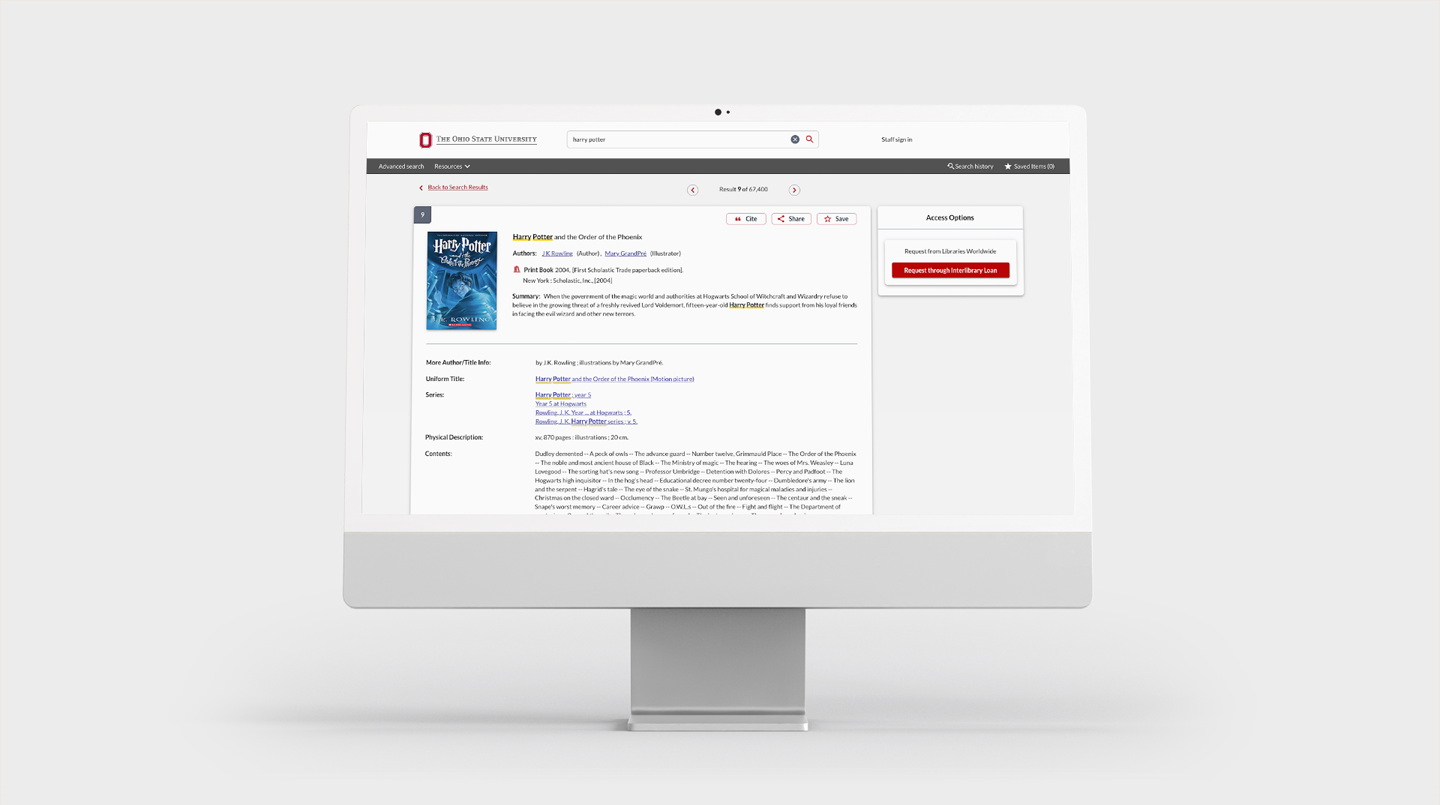
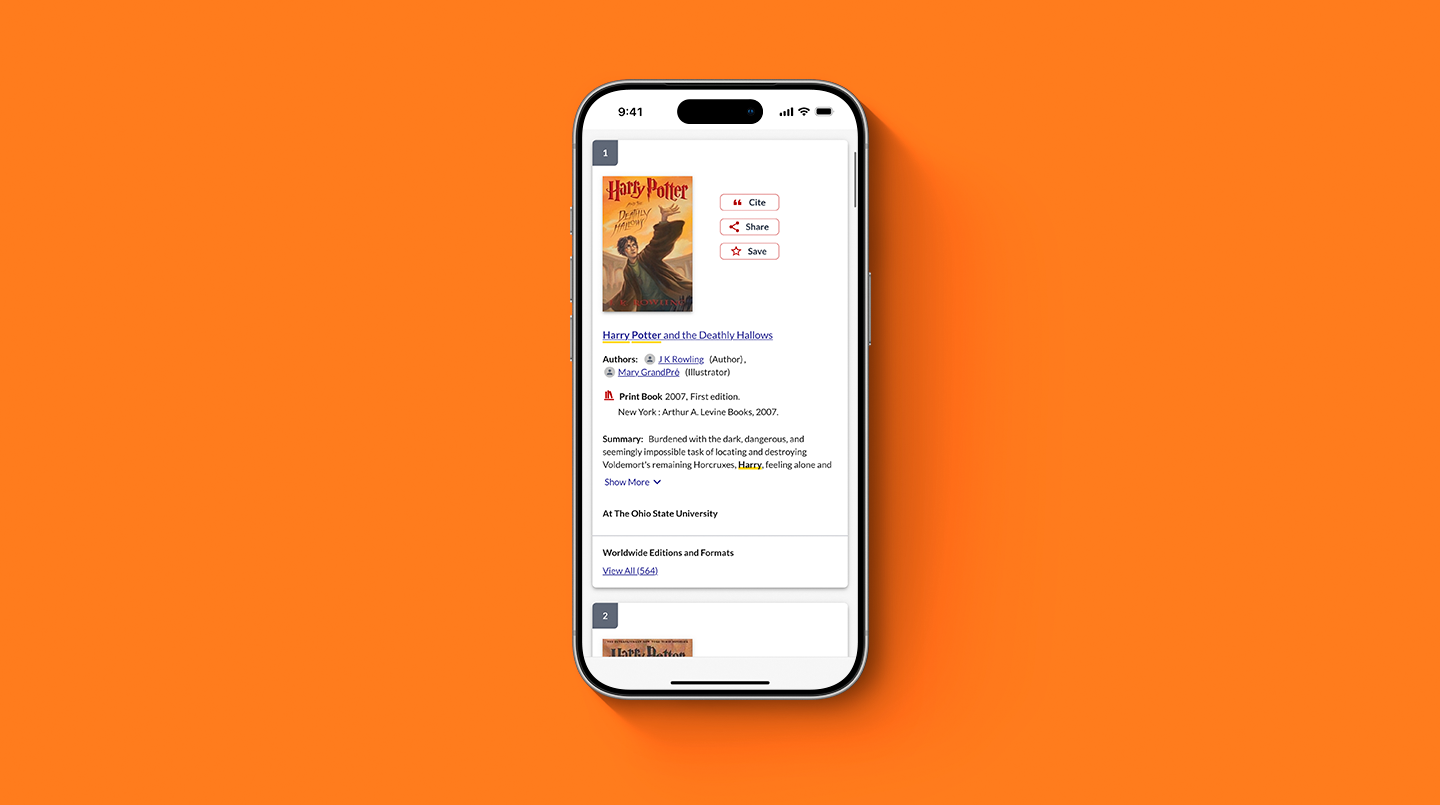
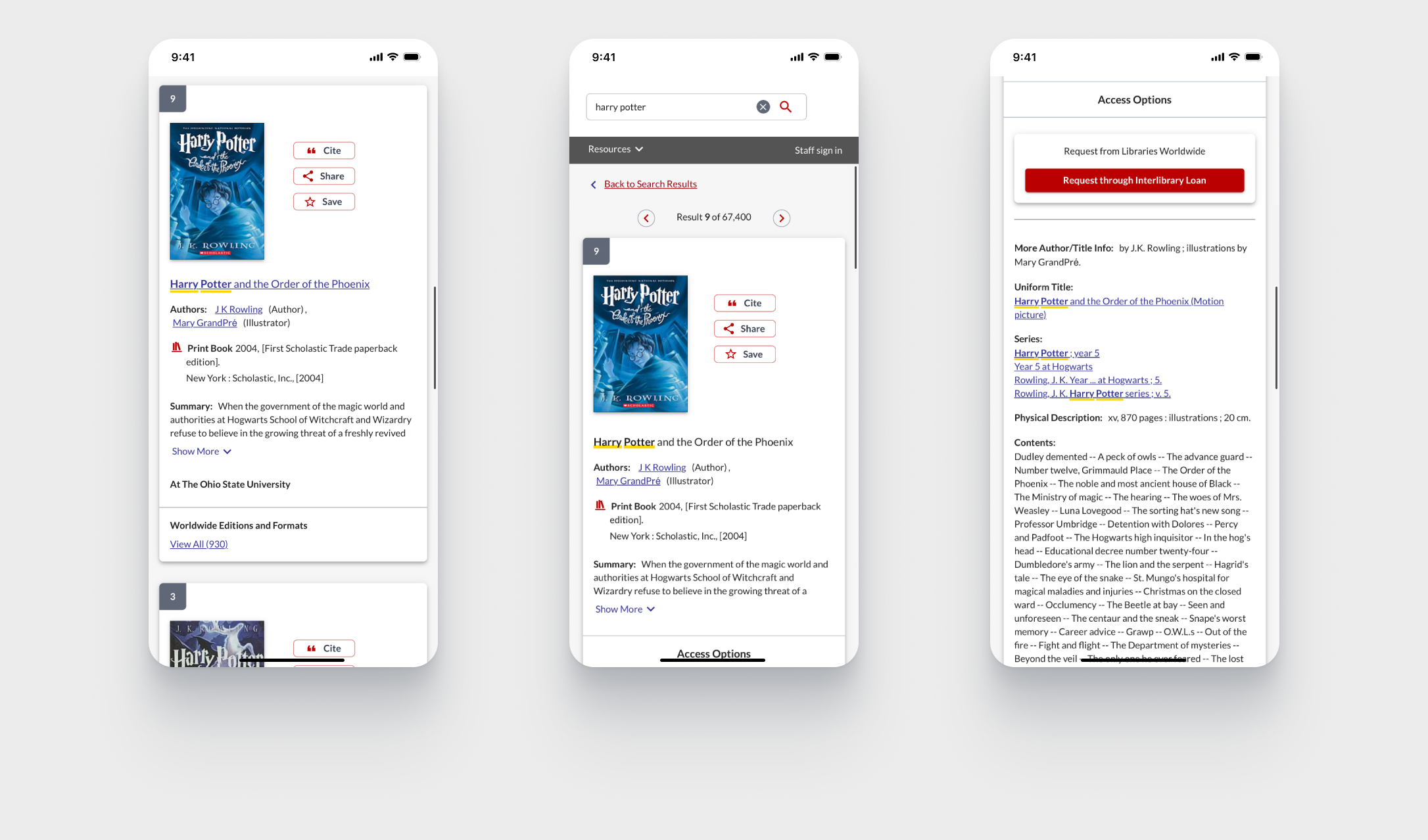
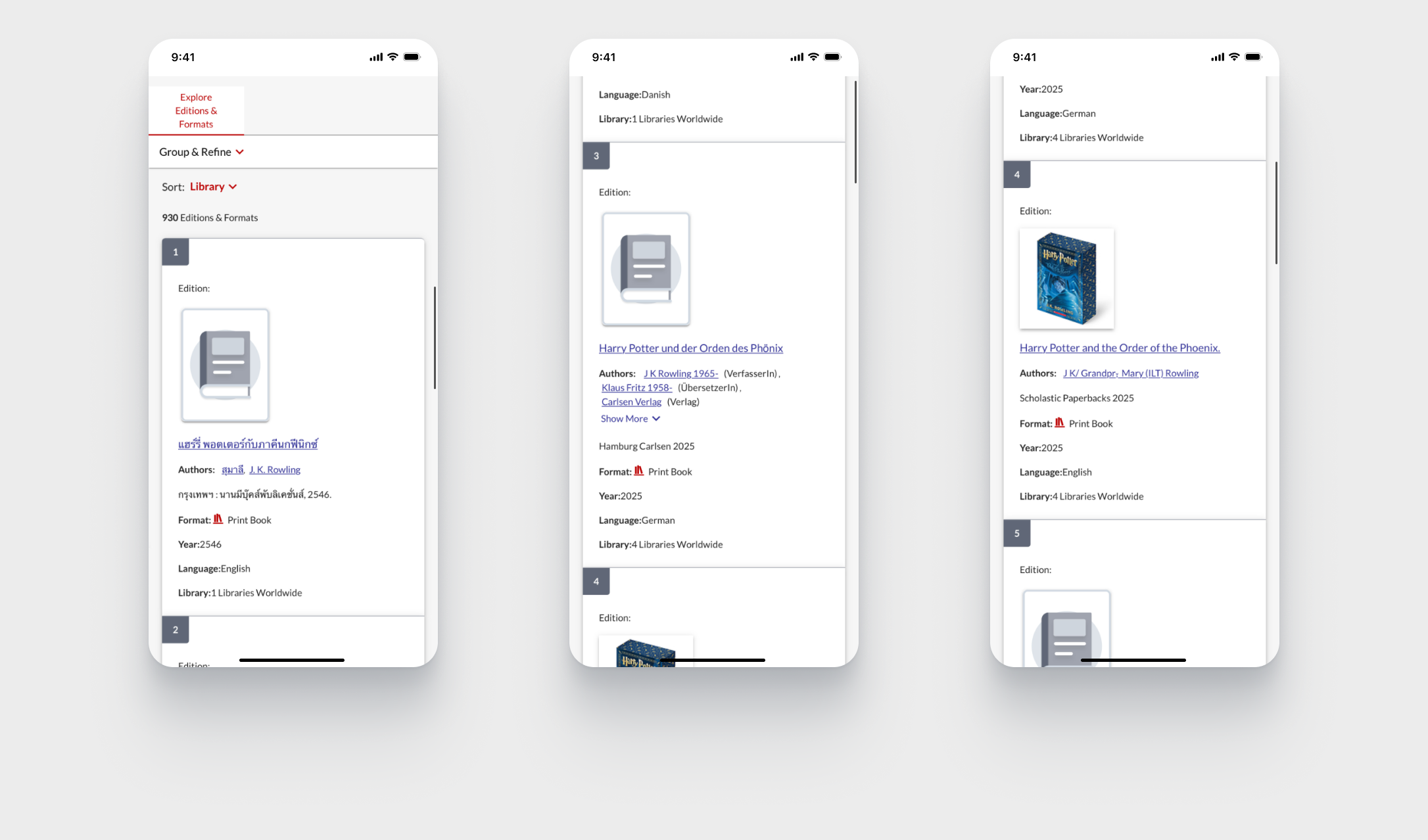
Conserving whitespace with a new results tile layout
Highlighting search terms in results to make it more apparent why a result was returned
Improving the display of material format icons
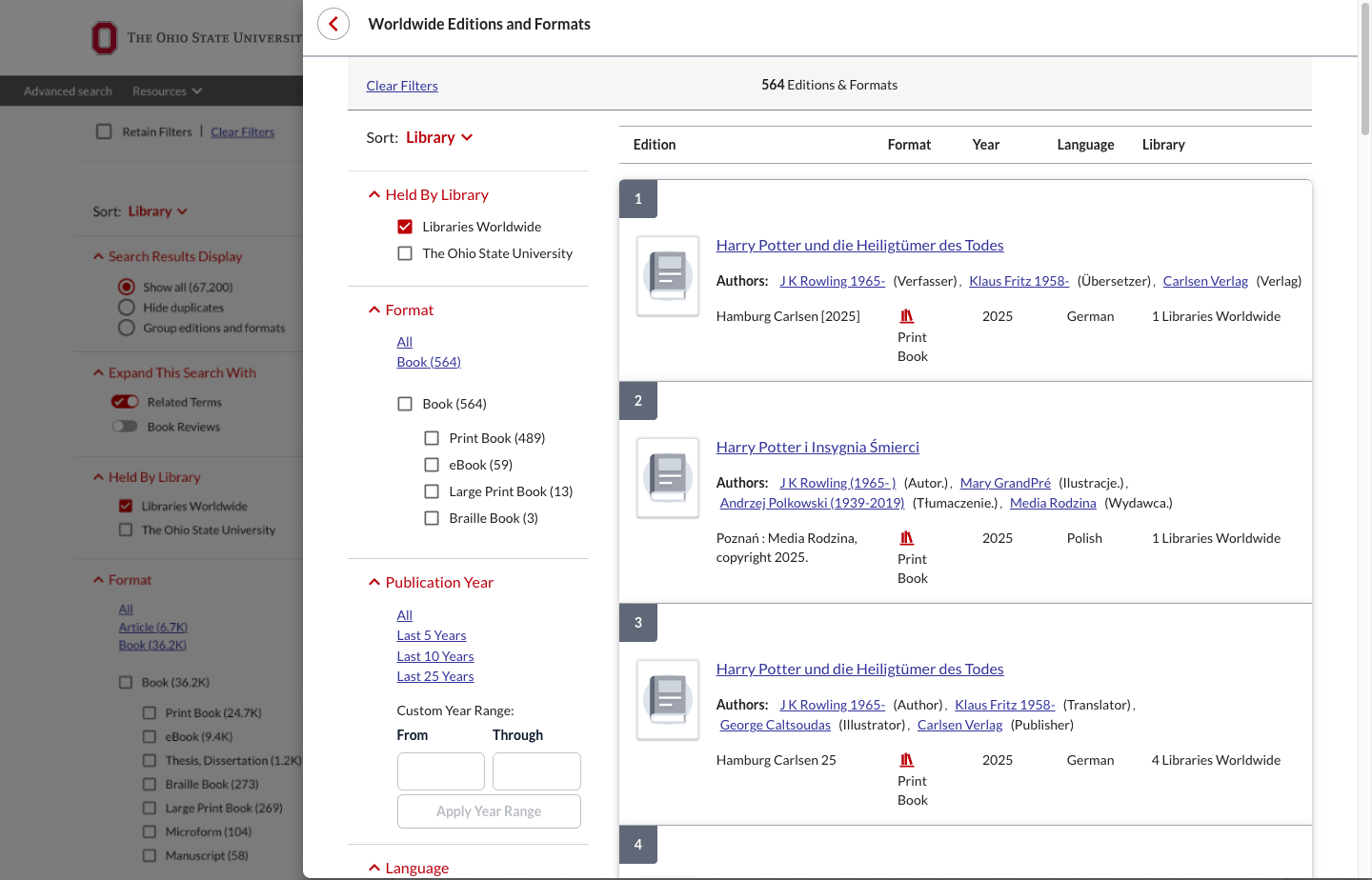
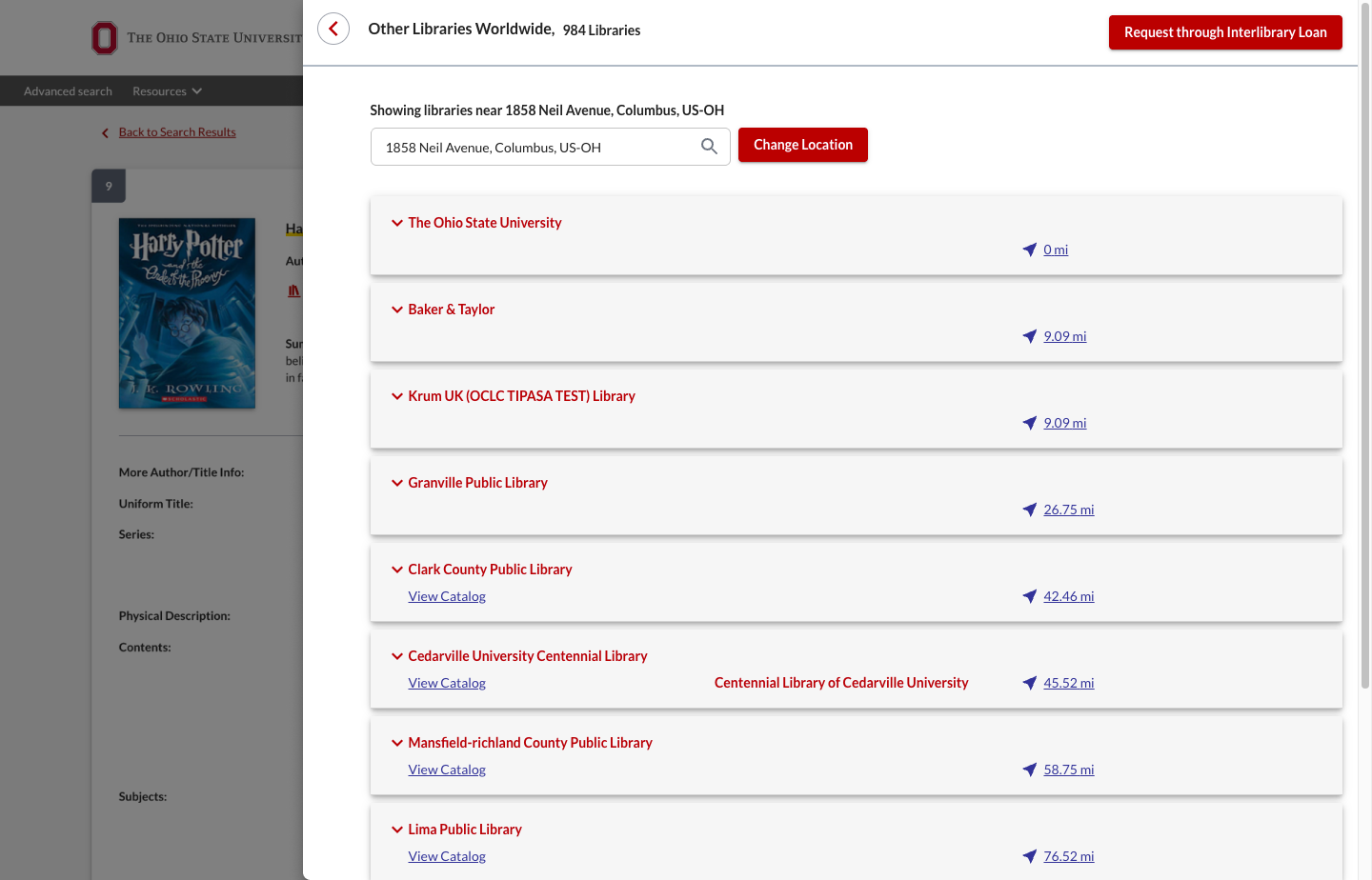
Consolidating editions and formats to help users see related versions more easily
MODERNIZING ADVANCED:
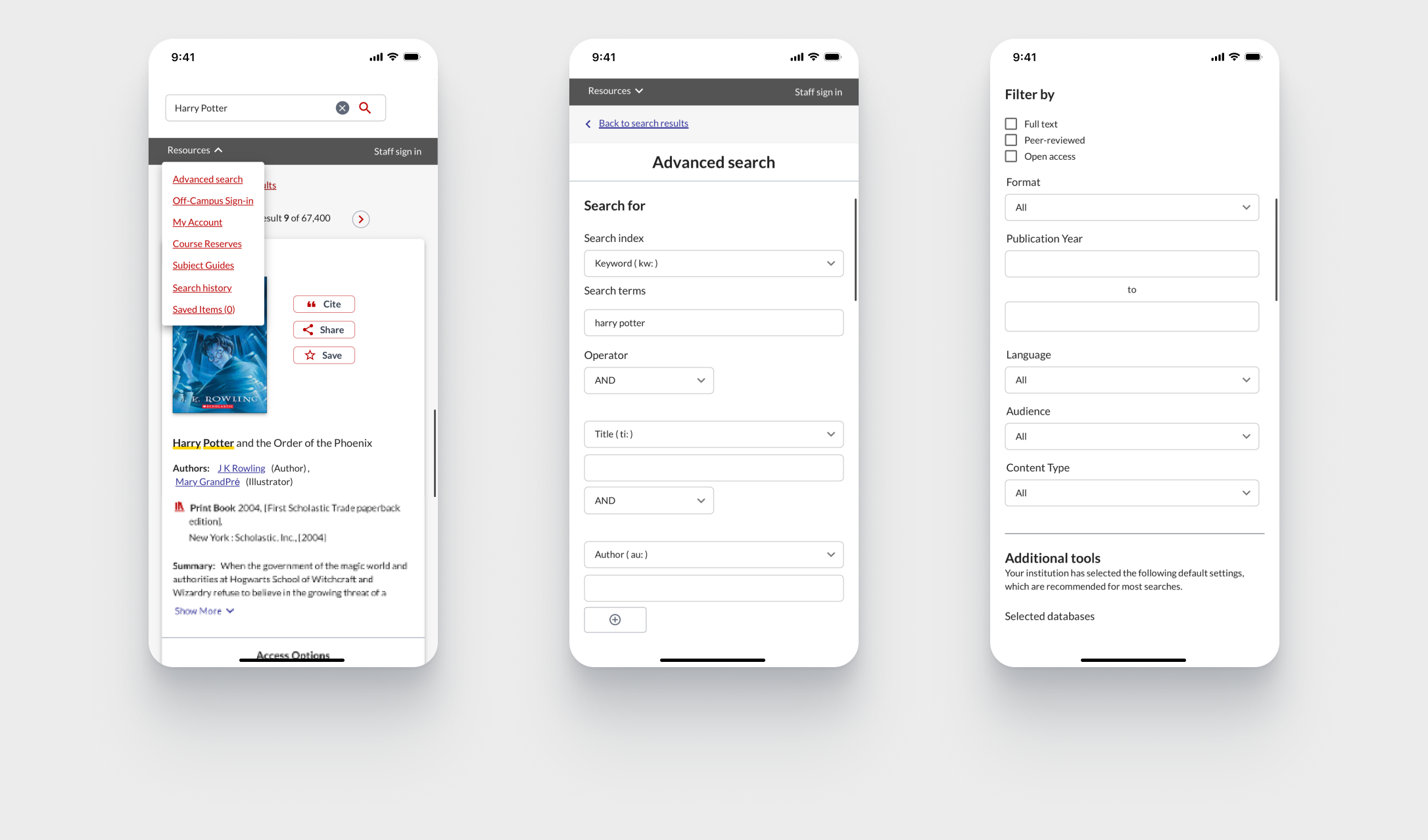
A voluntary rollout of a redesigned Advanced Search experience was introduced (April 2025 release note mentions this, but the continuous modernization effort was a long-term goal) to make it cleaner, more intuitive, and flexible for building and refining complex queries.

DEPLOYMENT & INTEGRATION:
WorldCat Discovery is deployed as a cloud-based, software-as-a-service (SaaS) platform, allowing it to be ready "out-of-the-box" for libraries immediately.
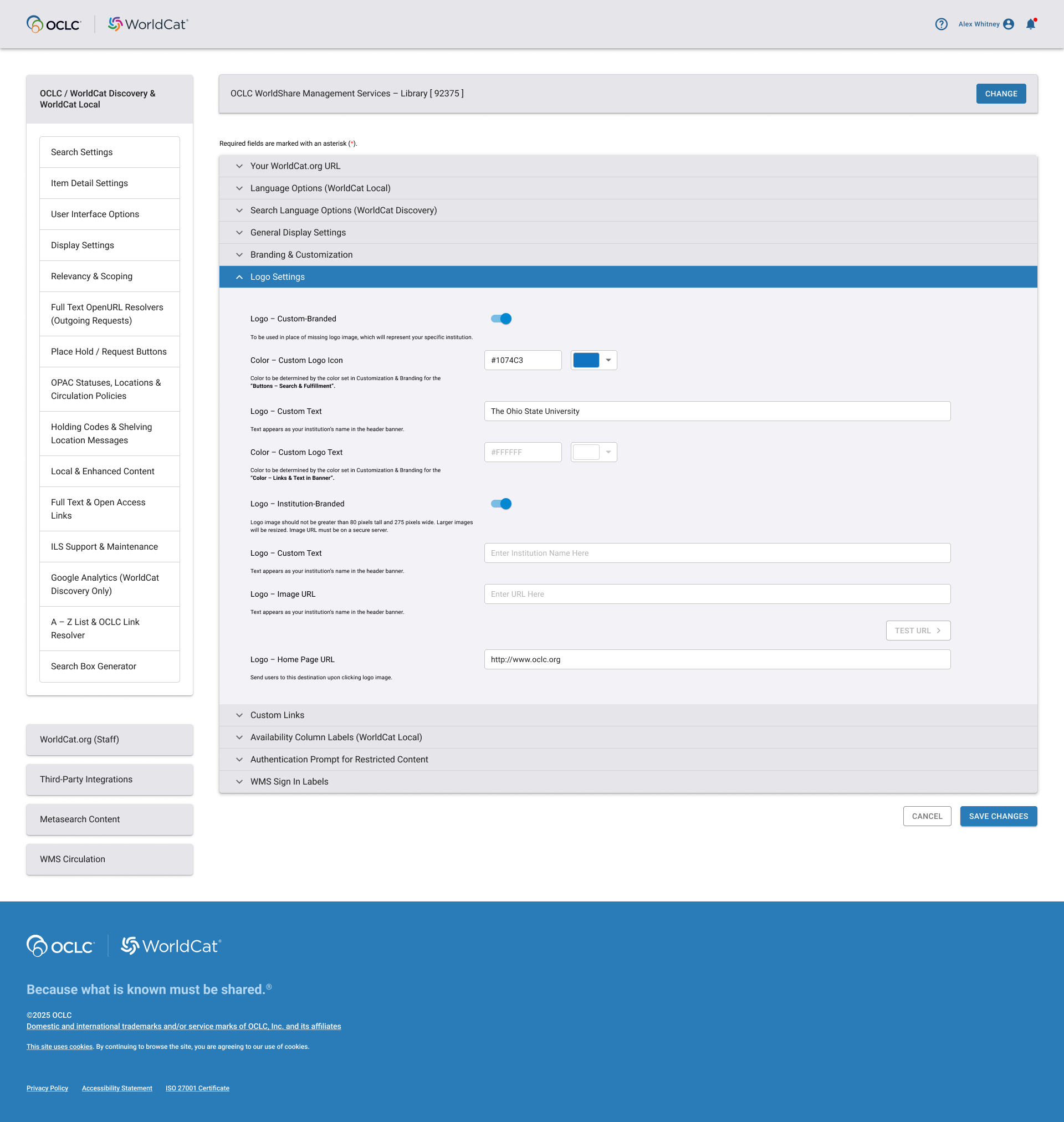
Upon initial subscription, OCLC provides a functional, default interface that automatically searches the global WorldCat catalog and the Central Index of articles. The core functionality is the OCLC Service Configuration administrative interface, which grants libraries granular control over every aspect of the service without needing to write code.
This approach offers the power of a vast, shared index combined with the flexibility to create a branded, locally relevant, and customized discovery experience for their specific patron community.
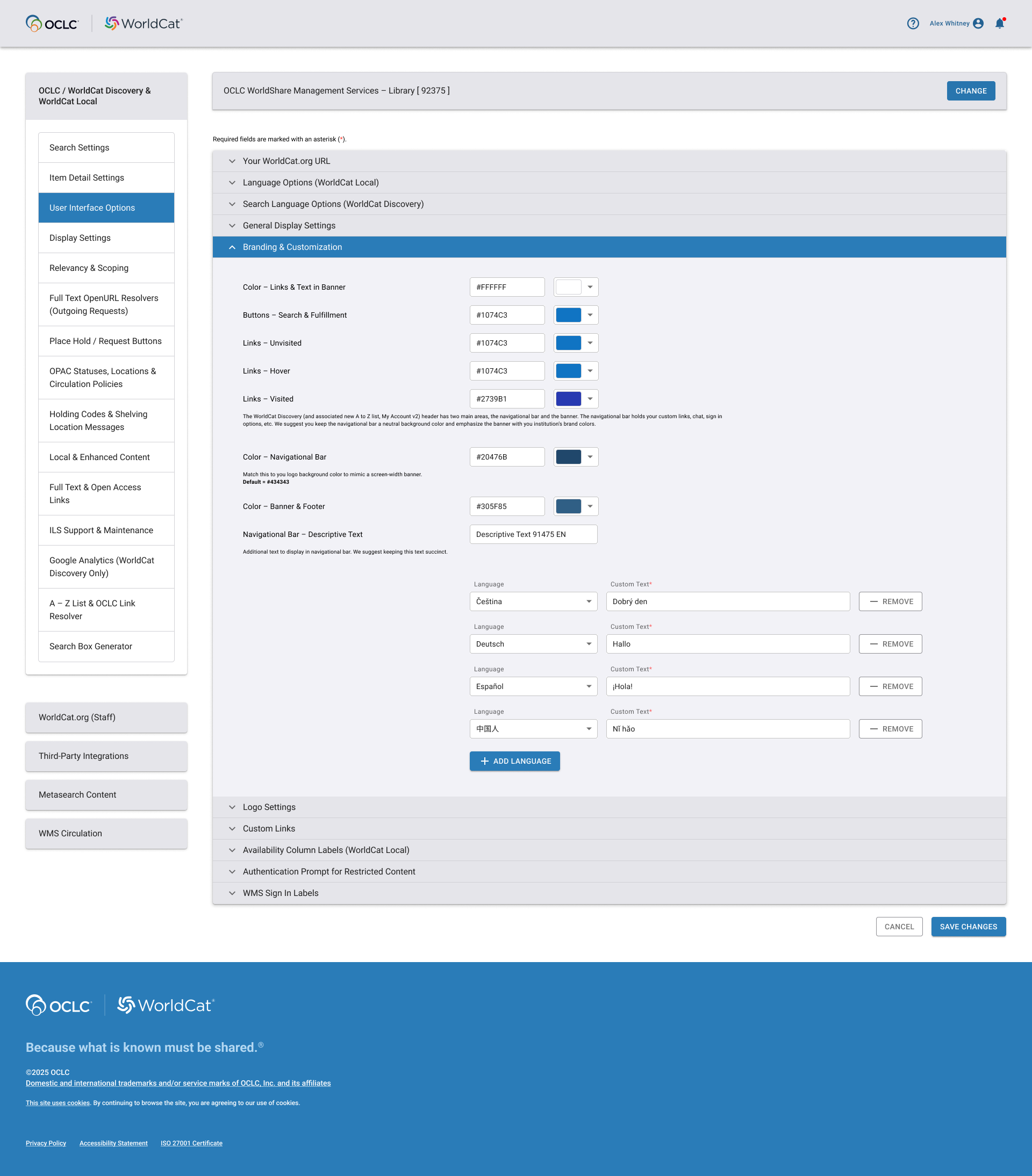
Through this centralized configuration tool, libraries can achieve full customization by:
Branding the Interface: Applying institution logos, custom colors, and adding links for chat services, remote access (proxy), and the library's local catalog (OPAC).
Defining Content Scope: Selecting and prioritizing the databases, knowledge base collections (for e-resources), and licensed content that their patrons can search, ensuring results are relevant to local holdings.
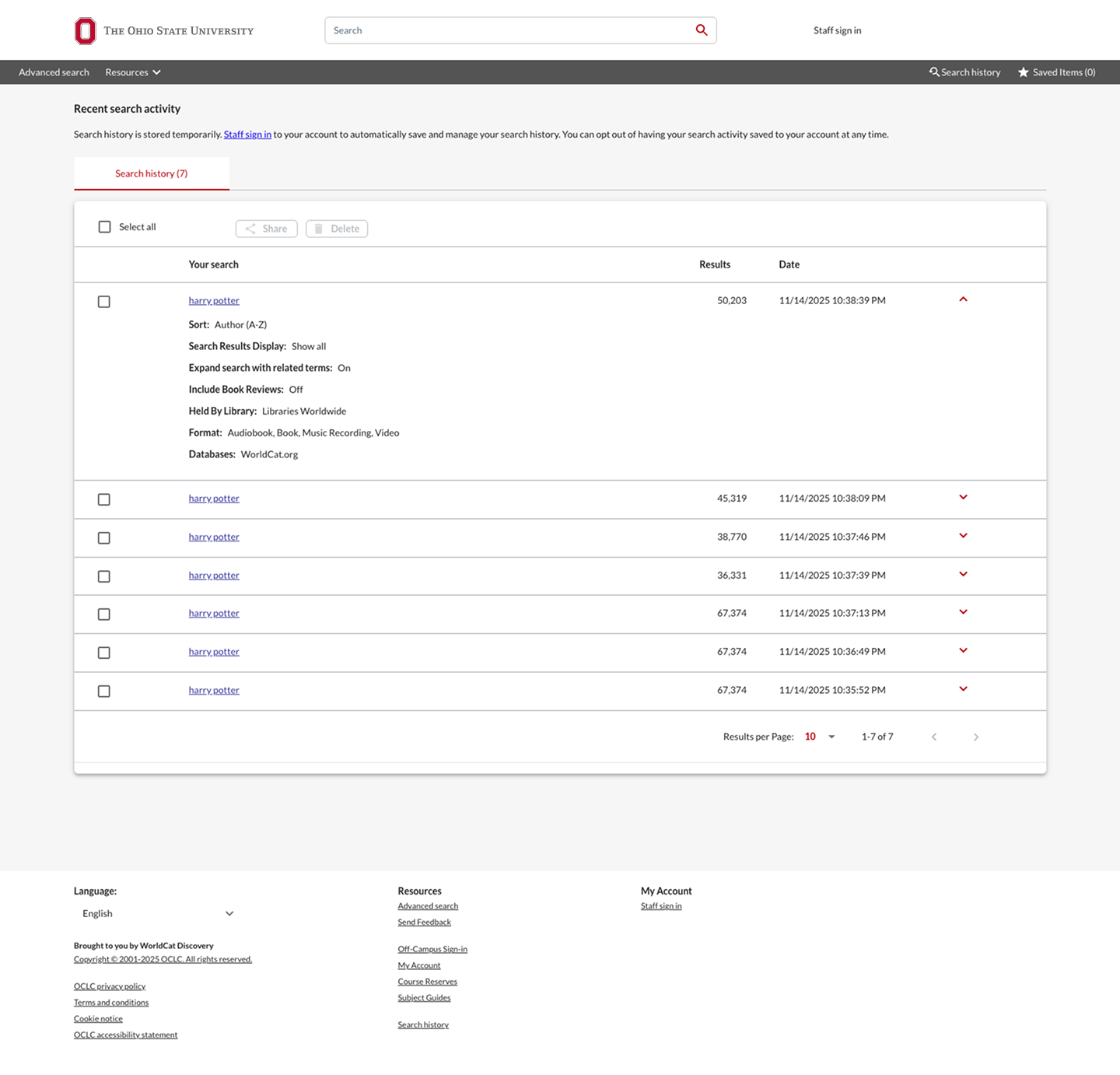
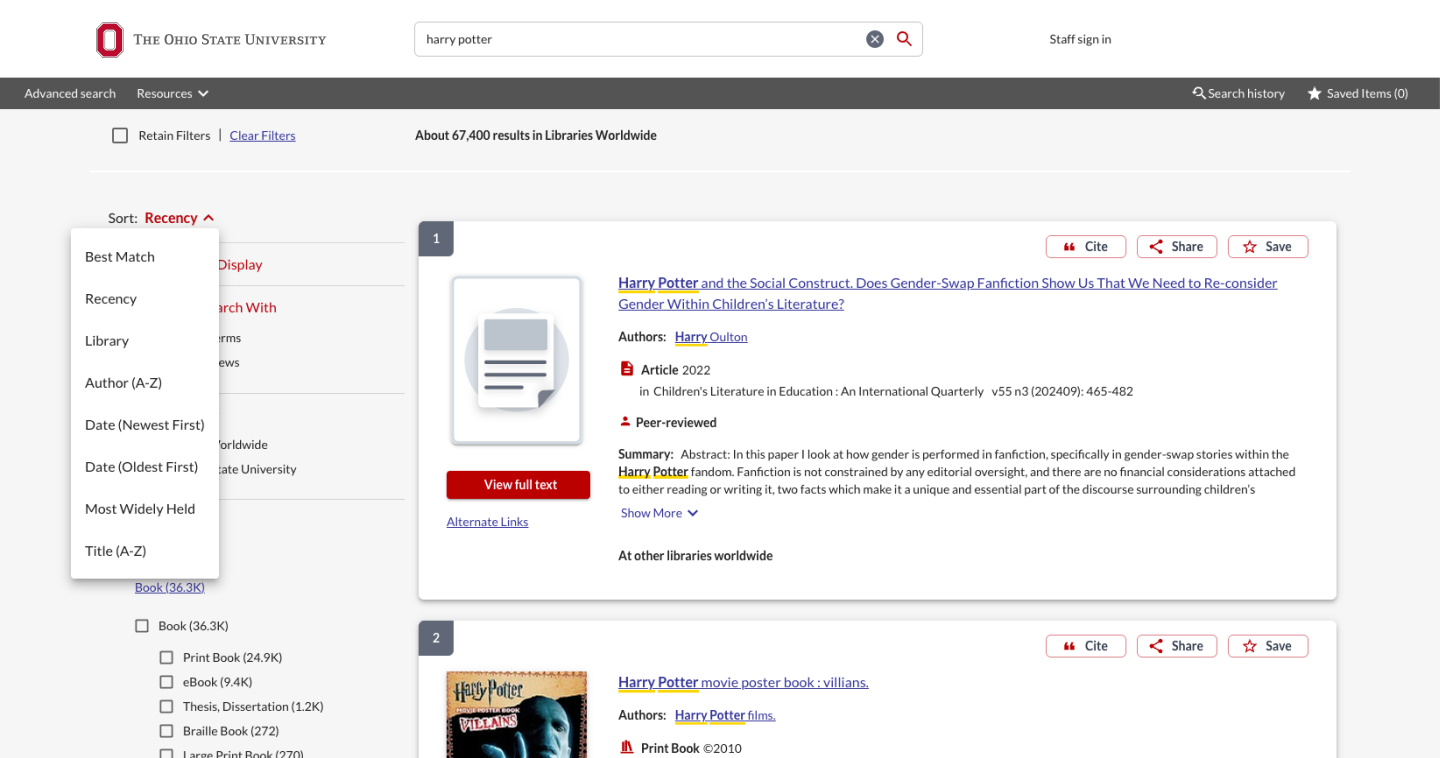
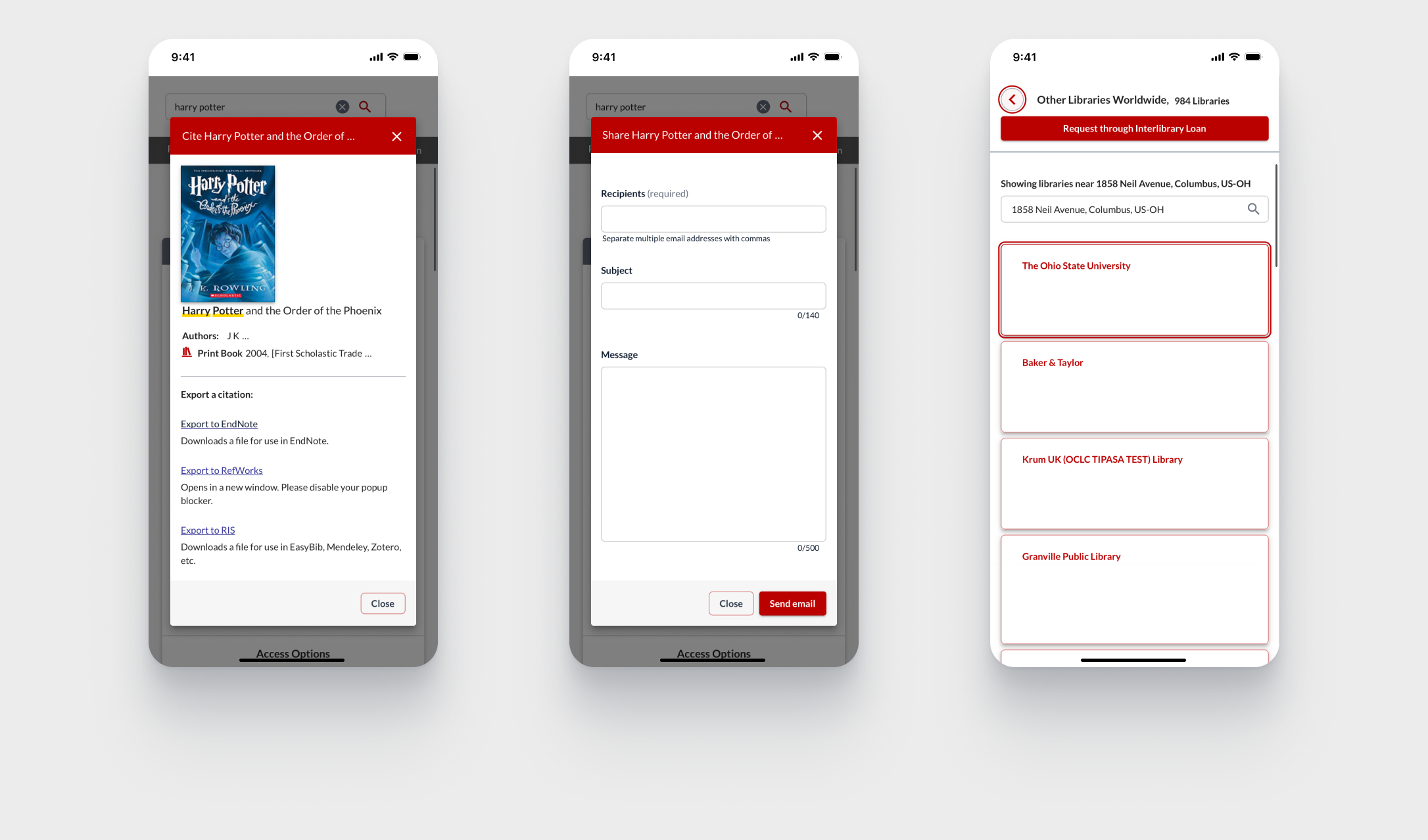
Customizing Search Experience: Setting the default search behavior (e.g., sort order, scoping level), configuring the displayed search filters, and controlling how fulfillment options (like Interlibrary Loan requests) are presented.












RESULTS:
ENHANCED UX/UI:
Responsive and Modern Design:
The interface was rebuilt using modern web design principles, featuring a clean, responsive layout that offered a consistent experience across desktop, tablet, and mobile devices.
Intuitive Search and Filtering:
OCLC refined the search functionality to be more Google-like, with improved facets and filtering options. This made it easier for users to narrow results by format, author, publication date, and subject from a single search box.
Relevance Ranking:
The redesign included updates to the proprietary relevance ranking algorithm to prioritize materials most likely to be useful to the specific user, including local physical holdings and licensed e-resources.
DEEPER INTEGRATION & CUSTOMIZATION:
WorldShare Integration:
The updated platform offered much tighter integration with OCLC's WorldShare Management Services (WMS), making fulfillment actions (like checking availability, placing holds, and managing interlibrary loan requests) more seamless.
Customization Tools:
Libraries gained more granular control over the look and feel of their instance. This included better options for branding, configuring the search results display, and customizing the language and labels to match the library's specific terminology.
Electronic Resource Access:
The redesign improved the linking and indexing of electronic resources, ensuring that users were quickly and reliably connected to full-text articles and e-books held via a library's subscriptions.

FOCUS ON CONNECTED DATA:
Linked Data Integration:
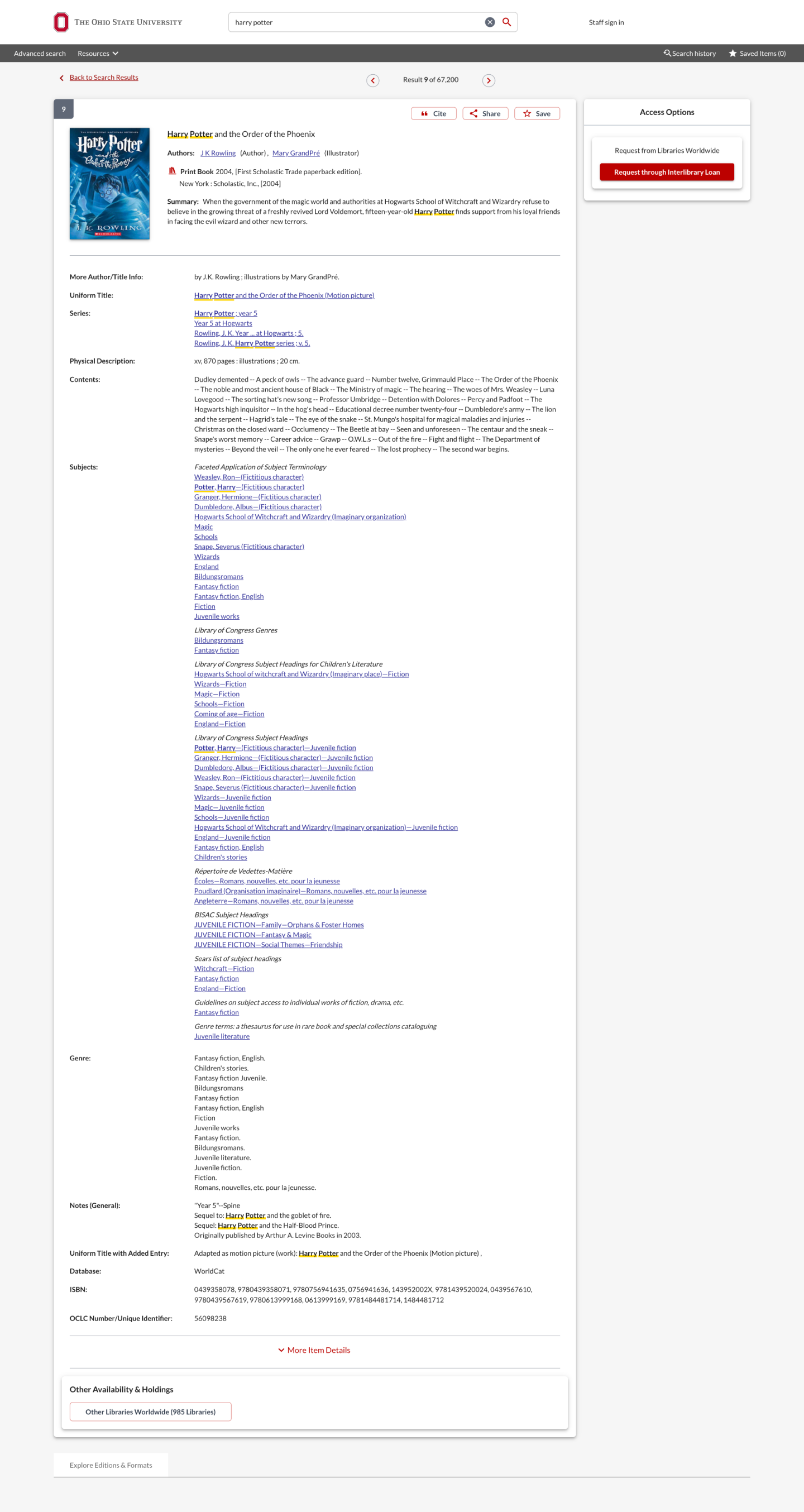
The updated design began leveraging the growing volume of linked data entities within the WorldCat database. This allowed the system to provide richer context for resources—showing not just the book title, but related works, authors, and subjects via connected entity records.
Central Index Enhancements:
Continuous improvement was made to the Central Index, expanding its size and coverage of metadata for scholarly articles and open-access content, ensuring that WCD remained competitive with indexes offered by EBSCO and Ex Libris.