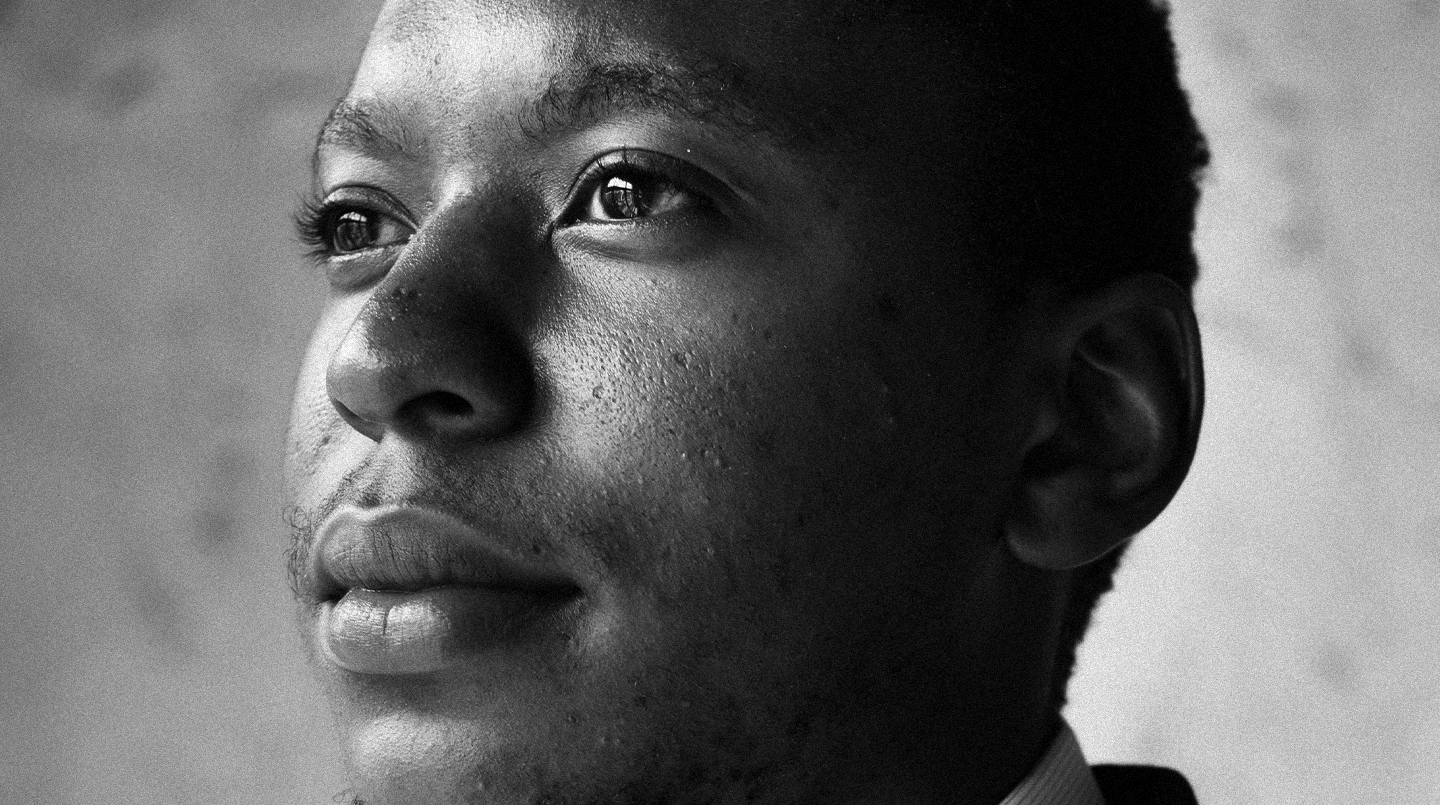
Black History Month

OVERVIEW:
Black History Month, also known as African-American History Month in the United States, is an annual observance dedicated to celebrating the achievements, struggles, and central roles of people of African descent throughout history and in the present day.
While observed annually in February in the U.S. and Canada, the goal of Black History Month is to inspire continuous engagement with Black history, recognizing that these stories are essential for social transformation and building a more equitable society. The Association for the Study of African American Life and History (ASALH) continues to set an annual theme to guide the focus of the month's celebrations.

ROLES:
Graphic Design
Illustration
BACKGROUND:
The observance began in the United States in 1926 as "Negro History Week," established by historian, author, and journalist Dr. Carter G. Woodson and the Association for the Study of Negro Life and History (ASNLH). Dr. Woodson, often called the "Father of Black History," recognized that the crucial contributions of Black Americans were largely omitted, overlooked, or suppressed in mainstream education and historical texts.
Woodson strategically chose the second week of February to coincide with the birthdays of two figures who loomed large in the history of Black liberation: President Abraham Lincoln (February 12) and abolitionist Frederick Douglass (February 14). This week built upon existing community celebrations, asking the public to extend their focus beyond those two figures to embrace the full scope of the Black past.
The week-long commemoration gradually expanded, driven by the Civil Rights Movement and growing awareness of Black identity. In 1970, students and educators at Kent State University proposed extending the observance to a month. Six years later, during the United States Bicentennial, President Gerald Ford officially recognized and institutionalized the celebration as Black History Month, urging Americans to "seize the opportunity to honor the too-often neglected accomplishments of Black Americans in every area of endeavor throughout our history."
The core purpose of Black History Month was to is to ensure that the rich, complex history of Black communities—which is integral to the history of the nation and the world—is recognized and studied. It serves as a vital reminder to:
Celebrate Achievements:
Highlight the immense contributions of Black figures in science, arts, literature, politics, civil rights, and all other fields.Acknowledge the Struggle:
Reflect on the historical adversity, systemic injustices, and ongoing struggles for liberation, equity, and social justice.Promote Education:
Encourage the teaching and learning of Black history not just in February, but throughout the year, challenging misleading historical narratives and fostering a greater understanding of a shared, accurate history.

CHALLENGE:
To honor the myriad accomplishments, pivotal events, and enduring endeavors of African Americans across every era of U.S. history, the creative staff within our studio agency, organized a collaborative art and design event celebrating Black History Month. This initiative served as a diversified creative outlet for every team member to express their emotional and intellectual connection to those recognized as true pioneers in this country.
With a shared goal of acknowledging these contributions, the standard mediums of choice included artwork, illustration, poetry, typography, mixed media, and photography. By providing a blank canvas and embracing a variety of artistic styles, the event successfully fostered a culture of reflection, appreciation, and shared history within the studio.