Home / Work / Graphic + Communication Design / Herman Miller
Herman Miller
The Balanced Professional
OVERVIEW:
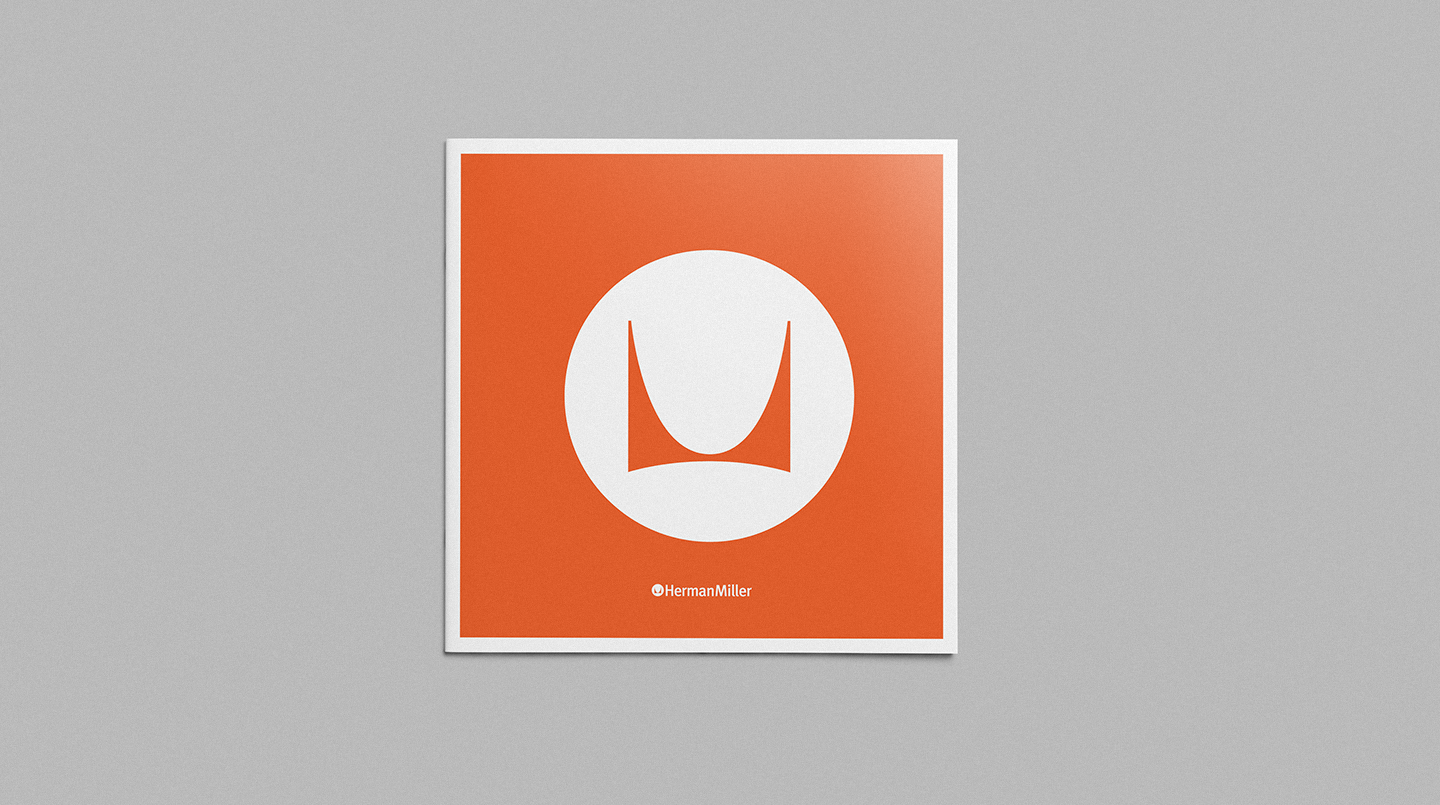
Herman Miller is a global pioneer in modern furniture design, celebrated for its commitment to ergonomic excellence and sustainable innovation. Since rising to prominence in the mid-20th century, the brand has become synonymous with modernist design through collaborations with icons like Charles and Ray Eames and George Nelson.
While world-renowned for office staples like the Aeron Chair, Herman Miller is also a leader in the healthcare sector, applying human-centered design principles to complex clinical and surgical environments.
ROLES:
Creative Direction
Graphic & Visual Design
Print Design
Package Design
INSIGHT:
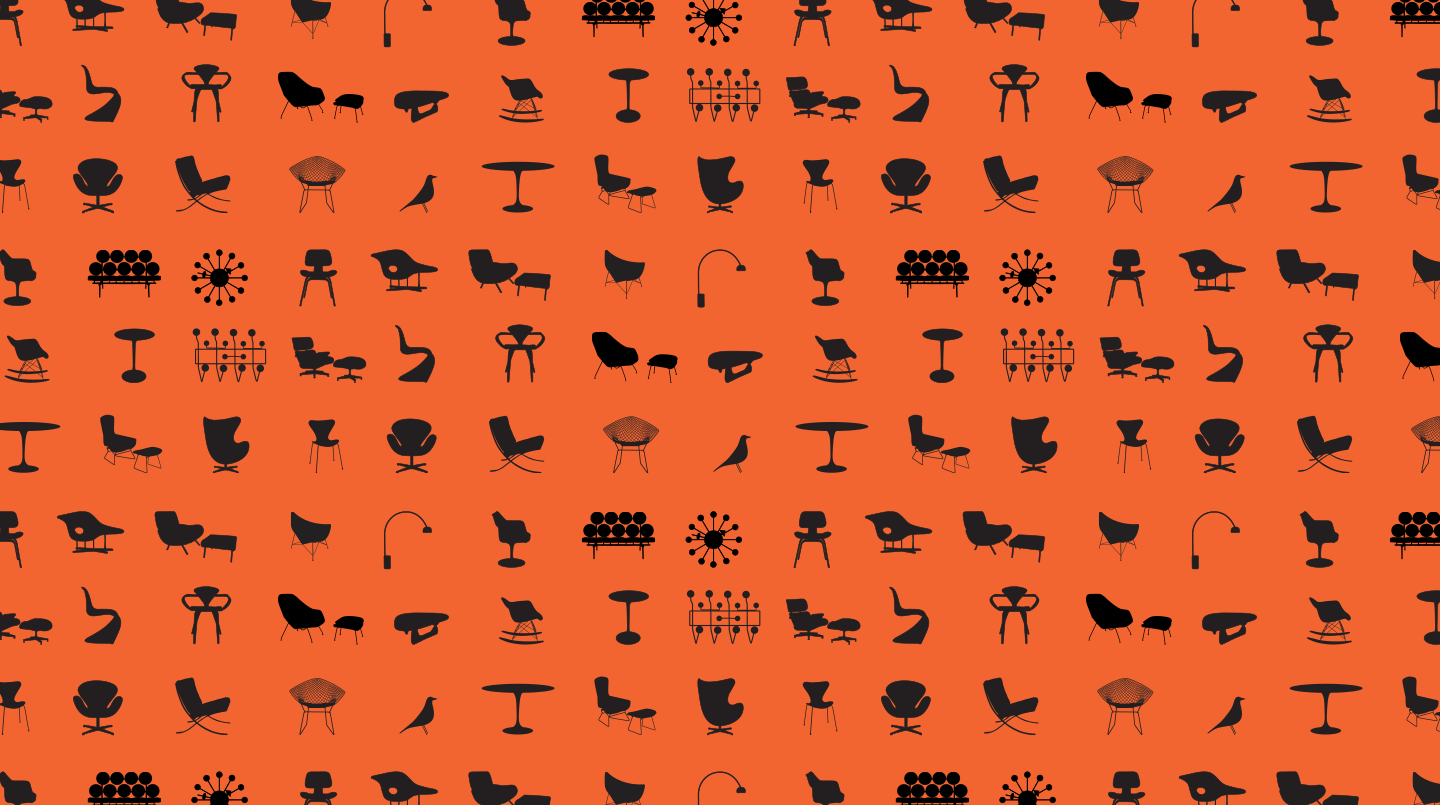
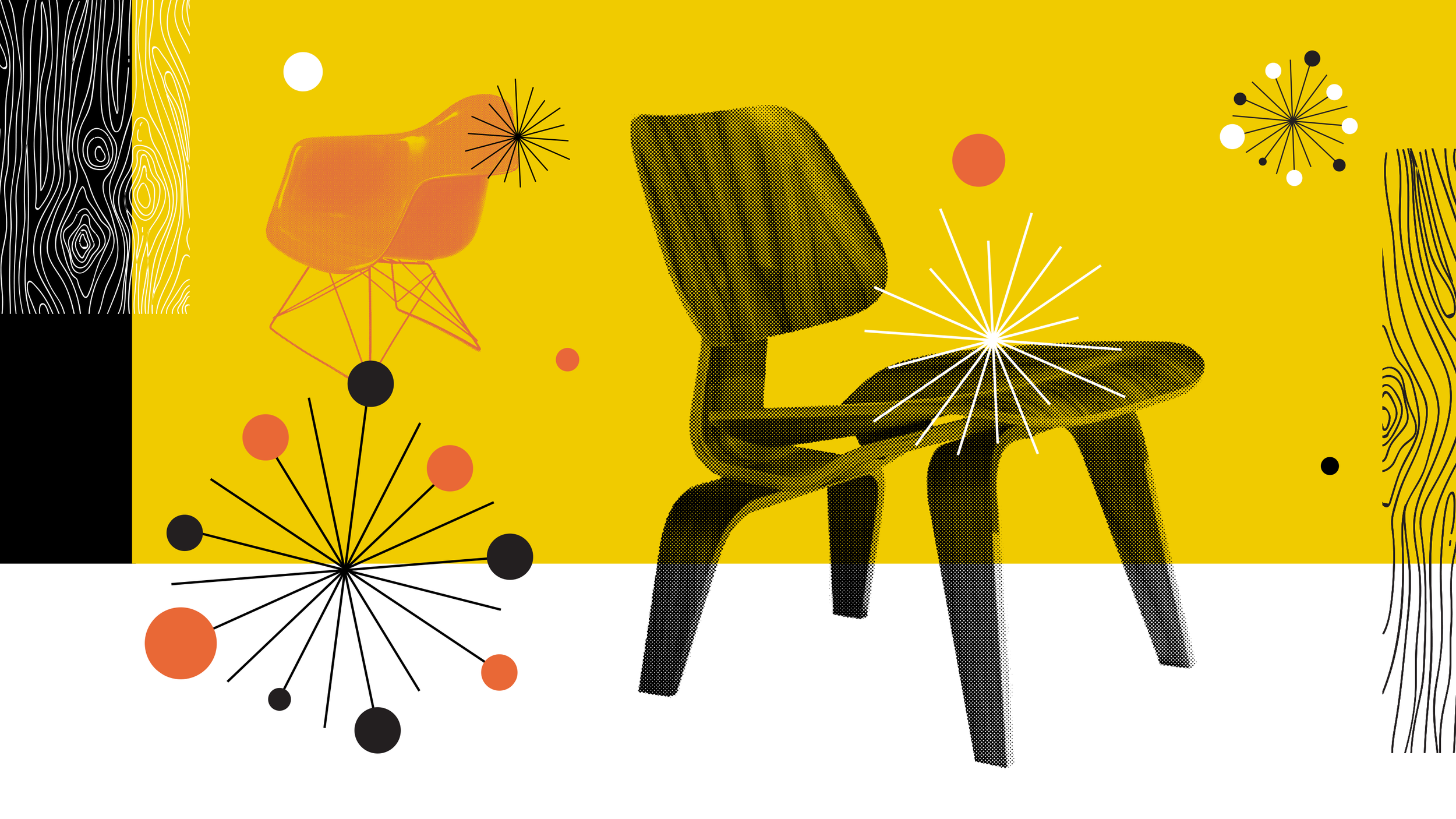
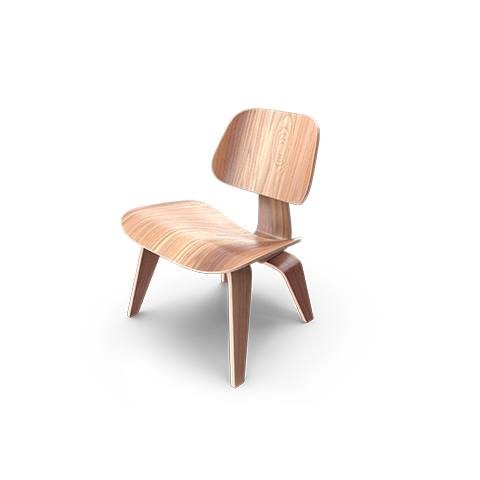
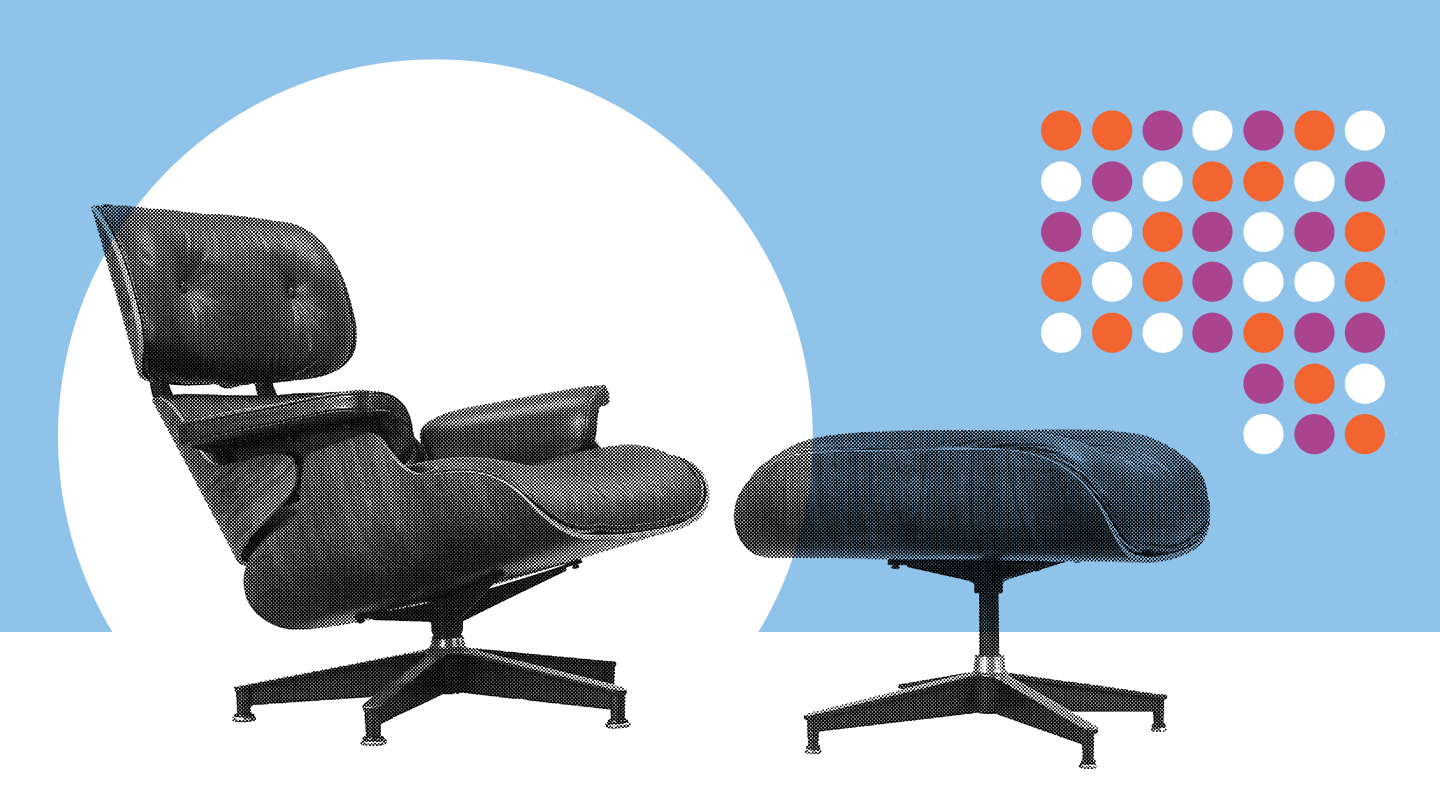
Herman Miller’s legacy is built on a "Timeless Experience"—a core collection of pieces like the Eames Lounge Chair, the Noguchi Table, and the Nelson Marshmallow Sofa that transitioned furniture from functional objects to works of art.
In the healthcare space, this legacy translates into a "continuum of care" philosophy. Since 1971, the brand has utilized its signature aesthetic to humanize medical environments, proving that high-design and clinical functionality are not mutually exclusive..



OBJECTIVE:
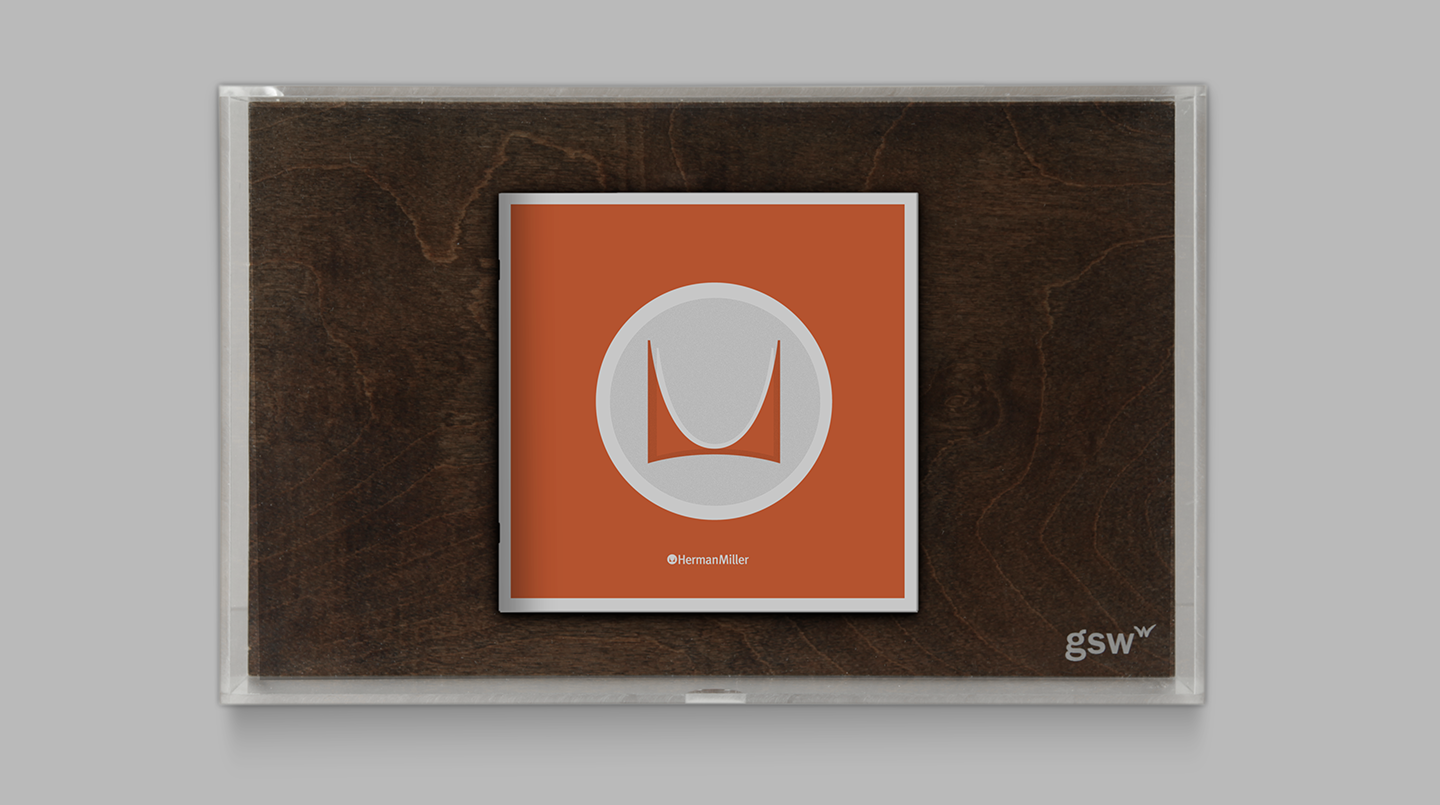
The objective was to lead the creative direction for a high-level partnership pitch between GSW Worldwide and Herman Miller Healthcare.
The challenge was to bridge GSW’s pharmaceutical expertise with Herman Miller’s design-led clinical solutions. I developed a visual strategy and presentation suite that leaned into the "nostalgia of innovation," intentionally mirroring the personality and typography of Herman Miller’s classic 1950s marketing.
By linking modern healthcare solutions to the brand’s iconic Mid-Century Modern heritage, the presentation aimed to position GSW as the ideal partner to tell the brand’s next chapter.
RESULTS:
While Herman Miller did not ultimately proceed with a partnership at that time, the creative execution was highly regarded by their stakeholders, who remained open to future collaborative opportunities.
The project stands as a benchmark in my portfolio for "Brand-to-Brand" alignment, demonstrating how to successfully honor a client’s historical design language while pitching for future-forward business growth.