GSW Worldwide
Liberating Ideas Worldwide
OVERVIEW:
Herman Miller is a globally recognized American company celebrated for its innovative, modern furniture design and commitment to ergonomic excellence.
Established in 1905 and renamed in 1923, the company rose to prominence during the mid-20th century, becoming synonymous with modernist design through its collaborations with legendary designers like Charles and Ray Eames, George Nelson, and Isamu Noguchi.
While its product portfolio spans home furnishings and healthcare environments, Herman Miller is perhaps best known for revolutionizing the contemporary office with iconic pieces such as the Aeron Chair, which set a new standard for ergonomic seating, and the adaptable Action Office system, regarded as the progenitor of the modern office cubicle. Today, the brand remains a leader in sustainable manufacturing and thoughtful design, consistently influencing how people work, live, and interact with their environments.

ROLES:
XD
Visual Design
INTRODUCTION & BACKGROUND:
The primary function of WorldCat Discovery is to provide a unified, Google-like search experience that allows library patrons to simultaneously search the library's own physical collection of local holdings (books, media) and licensed electronic resources (e-journals, databases).
It also leverages the strength of The Global Network (WorldCat), which is the world's largest bibliographic database, containing records for materials held by thousands of OCLC member libraries worldwide (the union catalog).
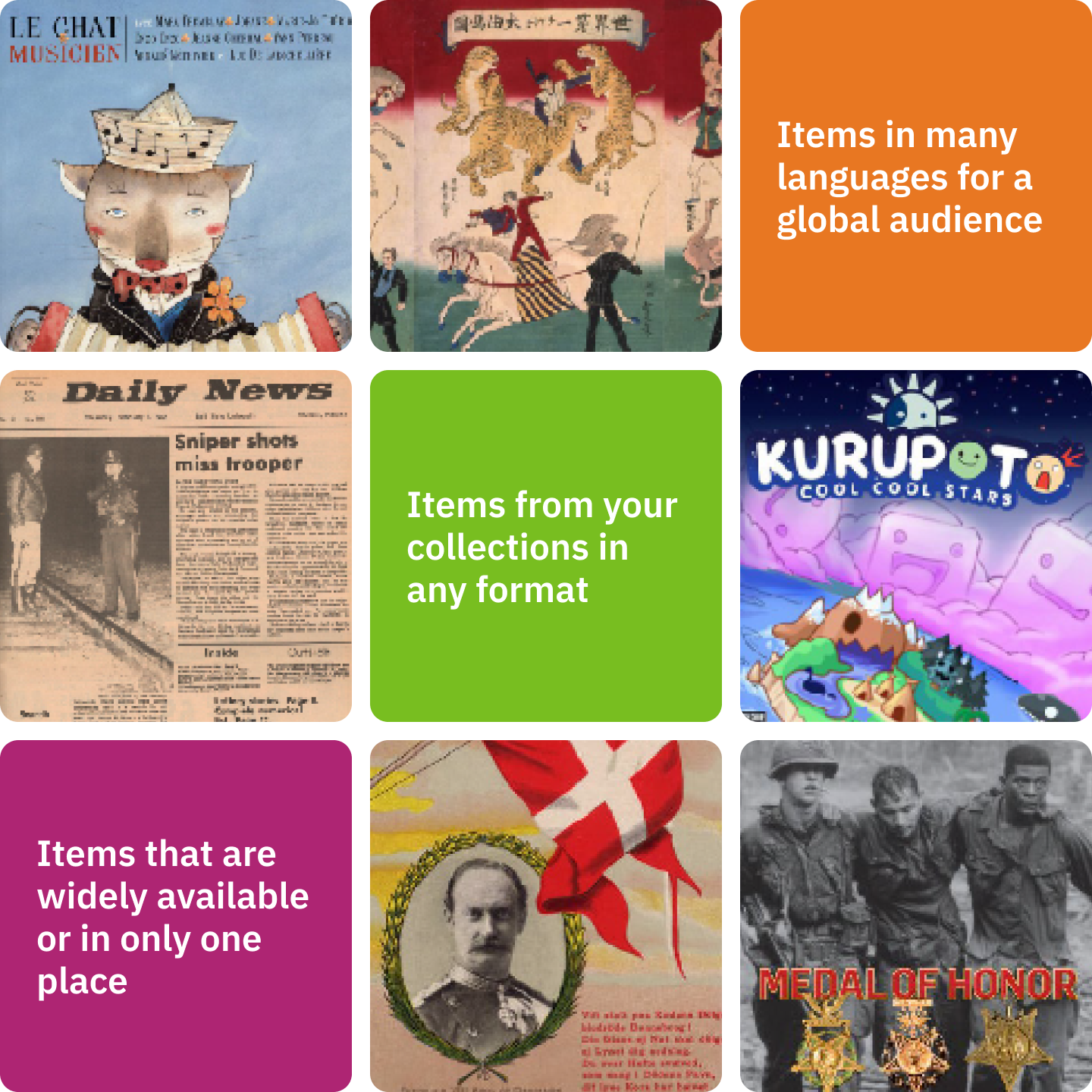
It includes both unique and widely held items from library collections around the world. From bestsellers to local history artifacts, from microfilm to streaming media, WorldCat puts your entire collection in front of researchers globally.
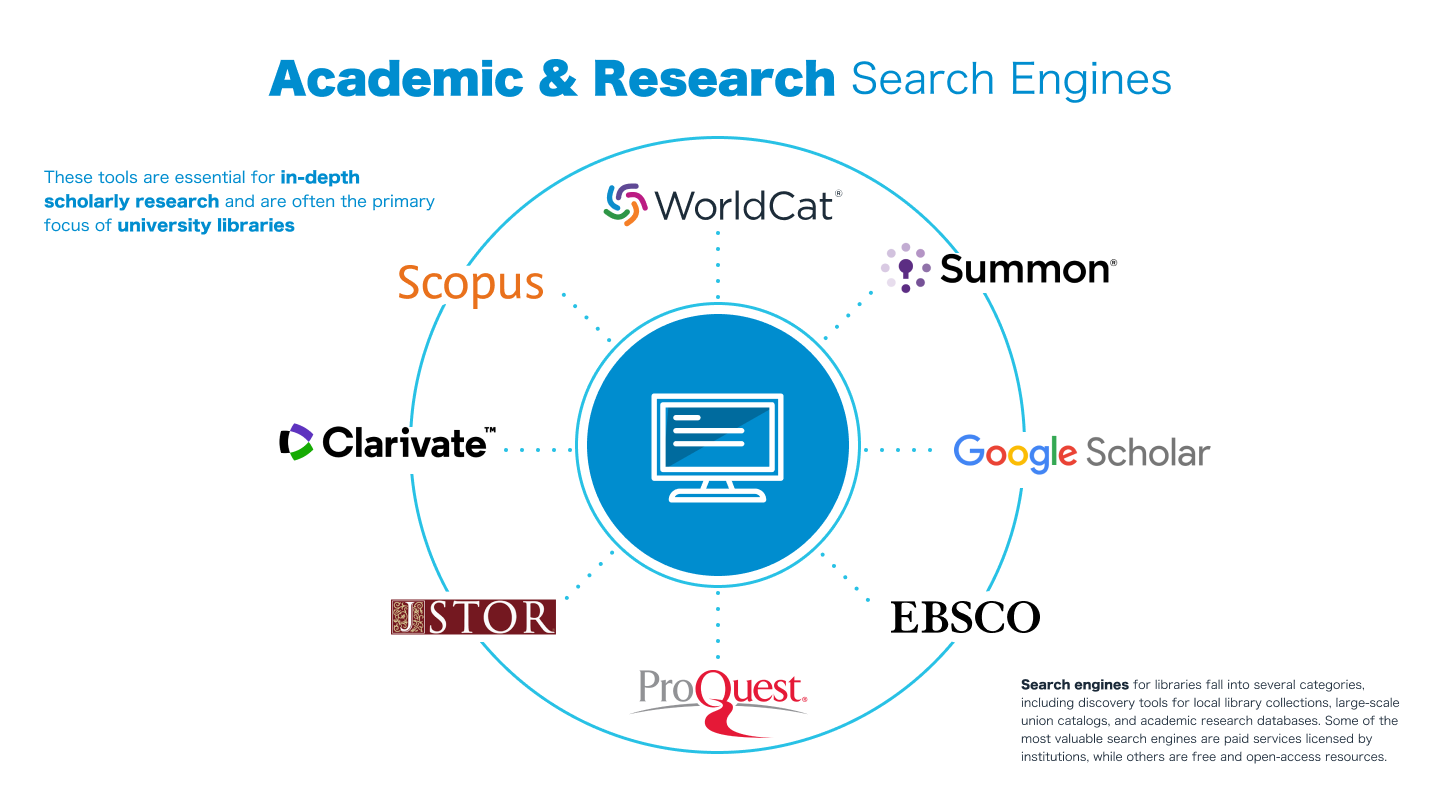
The library search engine landscape is primarily defined by a few major commercial and non-profit companies that provide discovery services to academic and public libraries.
Key vendors in the space include EBSCO (with its EBSCO Discovery Service, or EDS) and Clarivate (through its Ex Libris brands, offering Primo and Summon), with OCLC being a significant non-profit player.
These platforms create a single search index across a library's vast collection of print, electronic, and digital resources, offering relevance-ranked results to streamline research for patrons.
The market is constantly evolving, with increasing integration of new technologies like linked data and support for open-source systems such as FOLIO and Koha, aiming to improve the user experience and library operational efficiency.