e-Cycle
Brand + Marketing Development
OVERVIEW:
e-Cycle is a premier mobile device recycling company which partners with leading corporations and large government agencies to securely recycle their employee supplied smartphones and tablets.
e-Cycle is dedicated to providing their clients with straightforward solutions, profitable outcomes, and a secure processes that provides peace of mind while safeguarding the environment and remaining a fulfilling workplace for all employees.
ROLES:
Brand Design
Graphic Design
Art + Creative Direction

ROLES:
Brand Design
Art + Creative Direction
ROLES:
Brand Design
Art + Creative Direction
BACKGROUND:
The primary function of WorldCat Discovery is to provide a unified, Google-like search experience that allows library patrons to simultaneously search the library's own physical collection of local holdings (books, media) and licensed electronic resources (e-journals, databases).
It also leverages the strength of The Global Network (WorldCat), which is the world's largest bibliographic database, containing records for materials held by thousands of OCLC member libraries worldwide (the union catalog).
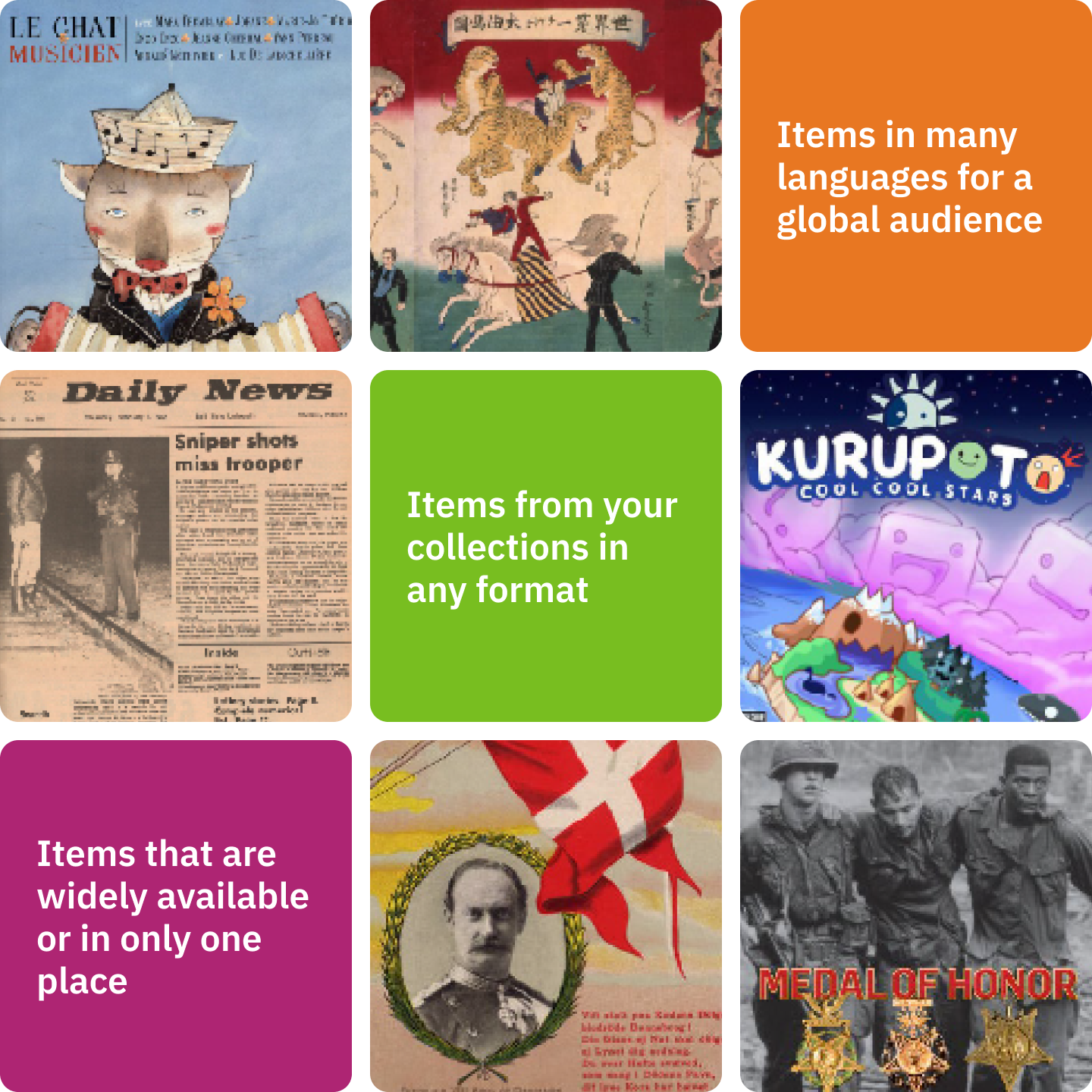
It includes both unique and widely held items from library collections around the world. From bestsellers to local history artifacts, from microfilm to streaming media, WorldCat puts your entire collection in front of researchers globally.
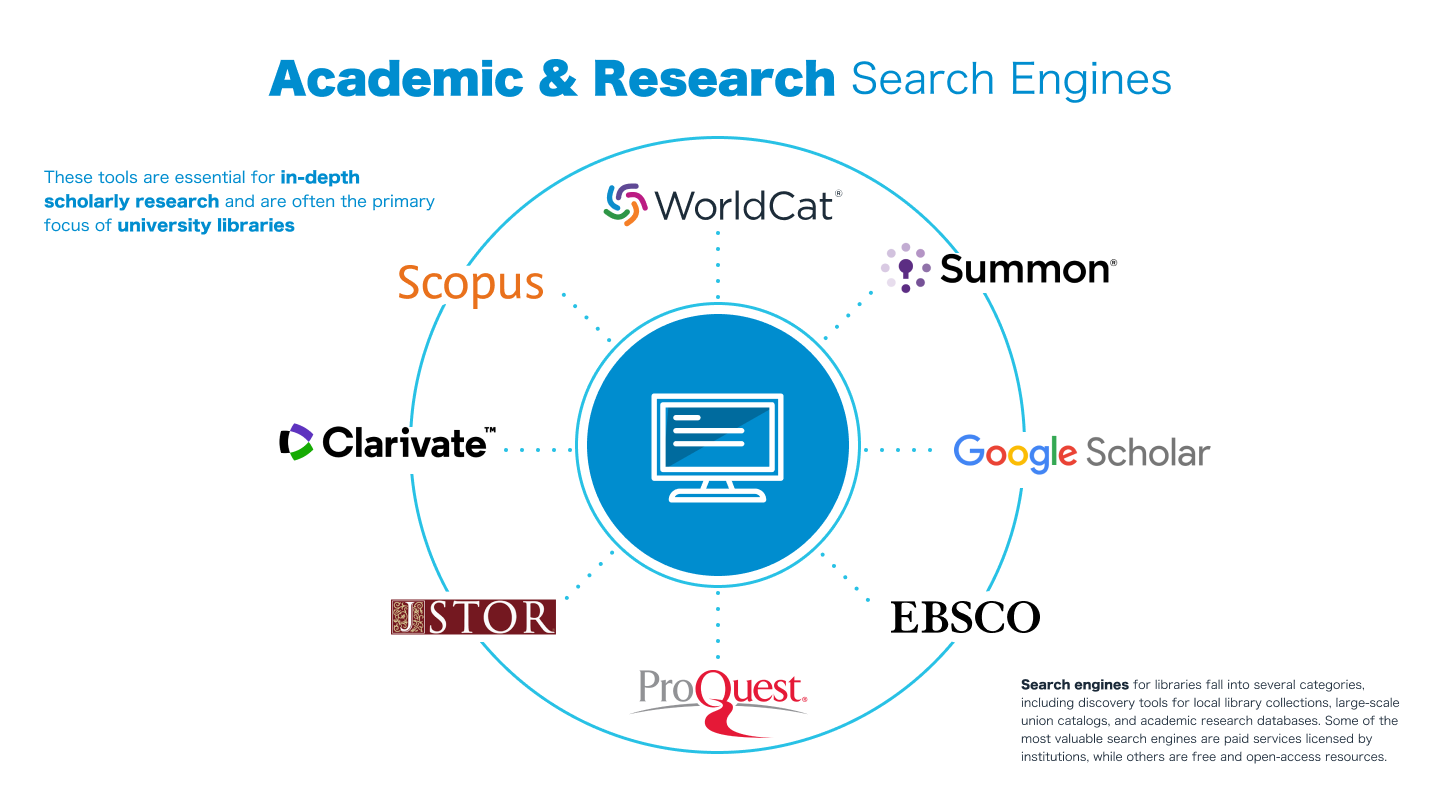
The library search engine landscape is primarily defined by a few major commercial and non-profit companies that provide discovery services to academic and public libraries.
Key vendors in the space include EBSCO (with its EBSCO Discovery Service, or EDS) and Clarivate (through its Ex Libris brands, offering Primo and Summon), with OCLC being a significant non-profit player.
These platforms create a single search index across a library's vast collection of print, electronic, and digital resources, offering relevance-ranked results to streamline research for patrons.
The market is constantly evolving, with increasing integration of new technologies like linked data and support for open-source systems such as FOLIO and Koha, aiming to improve the user experience and library operational efficiency.